THE STORY INDEX

Follow your curiosity.

A growing collection of myths and legends, with their origins, variations, and sources.

151 stories

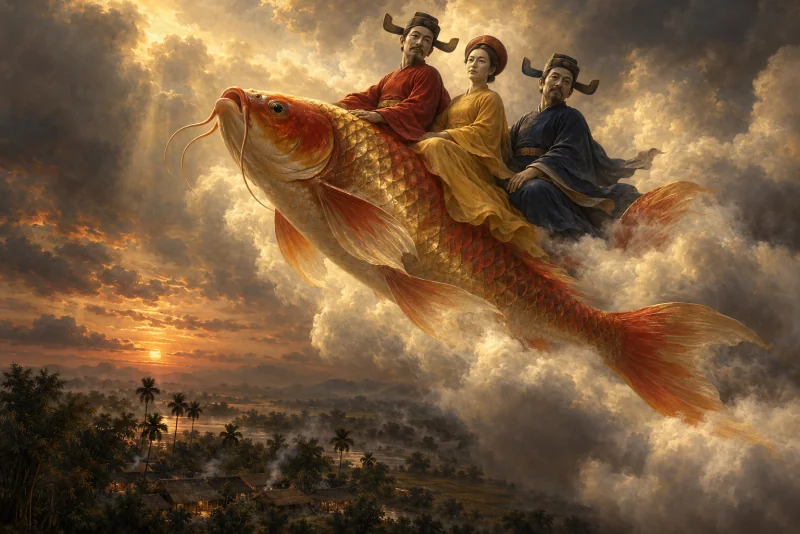
Táo Quân: The Kitchen Gods Who Ride to Heaven

Every year on the 23rd of the twelfth lunar month, Vietnamese families send their kitchen gods to heaven on a carp, with two men's hats and one woman's. Their tale, a wife and two husbands who died in one fire, was already written down in 1659, but the gods' names, their number and even the meaning of Ông Công have shifted since.

Read story 12 min read

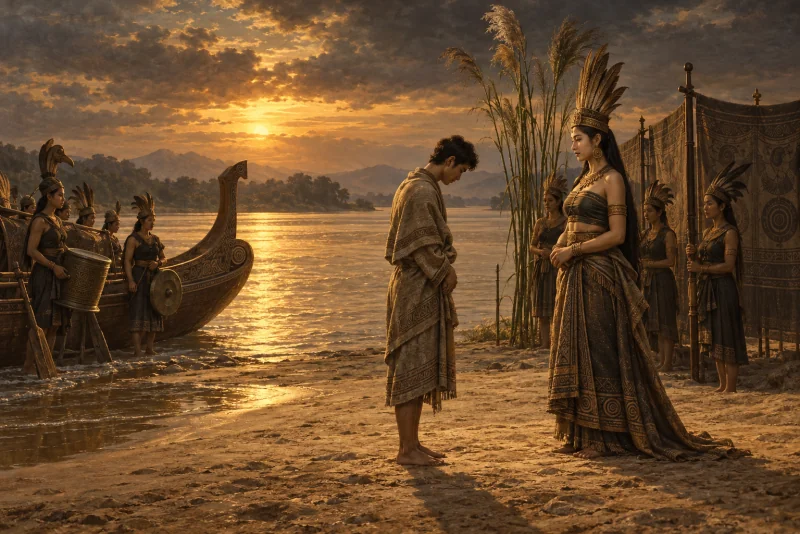
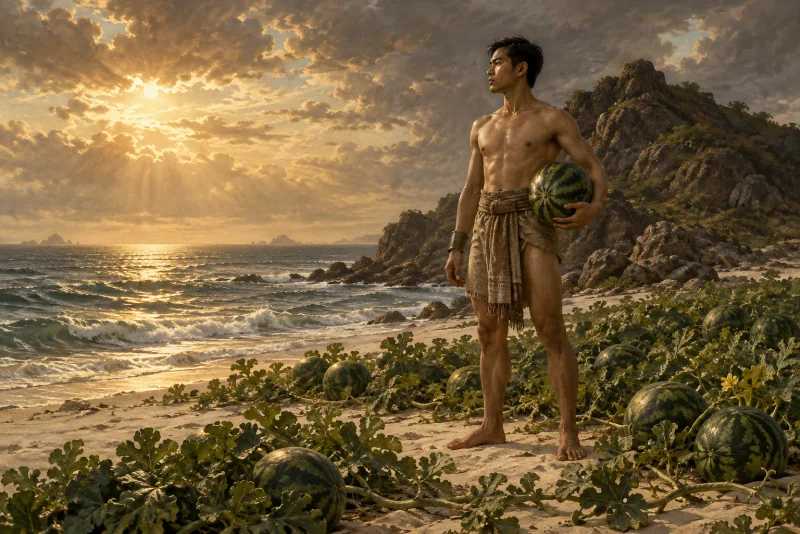
Mai An Tiêm: The Watermelon Island

A servant who said his wealth was his own was left on a sandbank to starve, until a white bird from the west dropped the seeds of an unknown melon. In the oldest text he never carves his name on a melon or sends one out to sea: the king simply remembers him.

Read story 9 min read

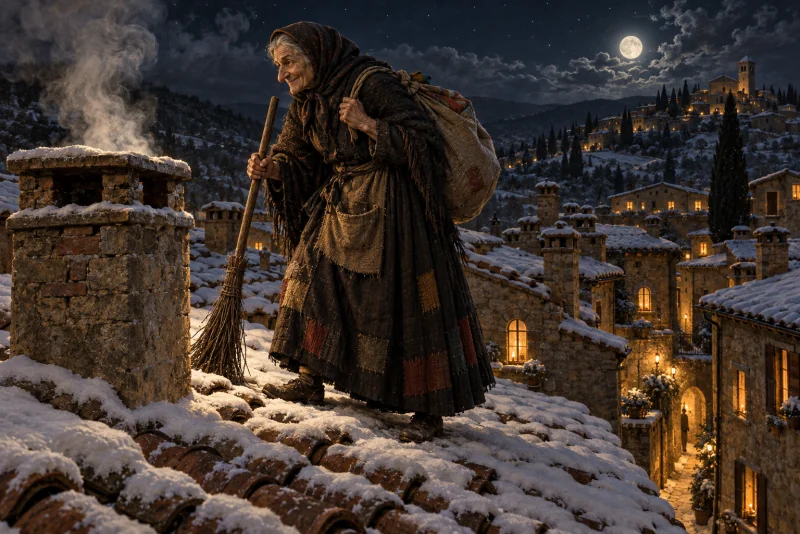
La Befana: The Old Woman Who Brings Gifts at Epiphany

On the night before Epiphany an old woman comes down Italian chimneys to fill children's stockings with sweets, or with coal. She is often called a Roman goddess in disguise, but her name is the name of the Christian feast, and the oldest texts we found that make a figure of it are Tuscan poems of the 15th and 16th centuries.

Read story 10 min read

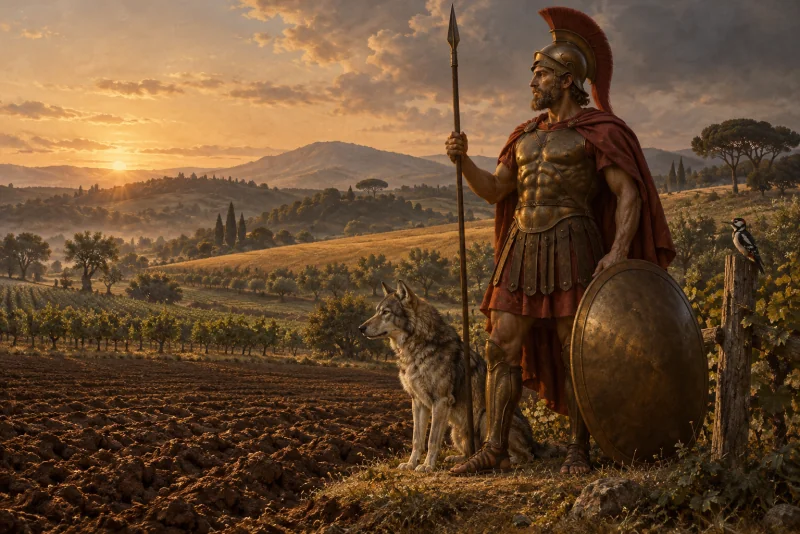
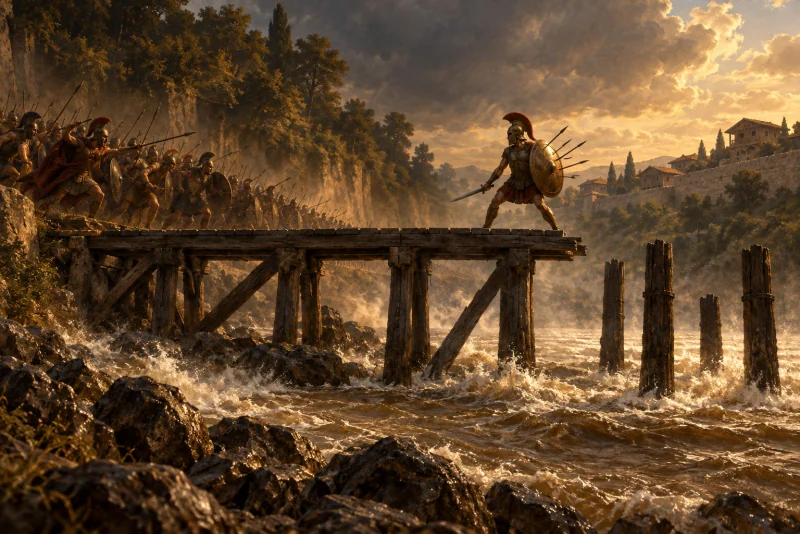
Mars: The Father of Rome

Farmers prayed to Father Mars to keep sickness off their land, his shield fell from the sky in the reign of Numa, and Augustus built him a temple as the Avenger. The Romans told only a few stories of their own about him; most of the rest they borrowed from the Greek Ares.

Read story 12 min read
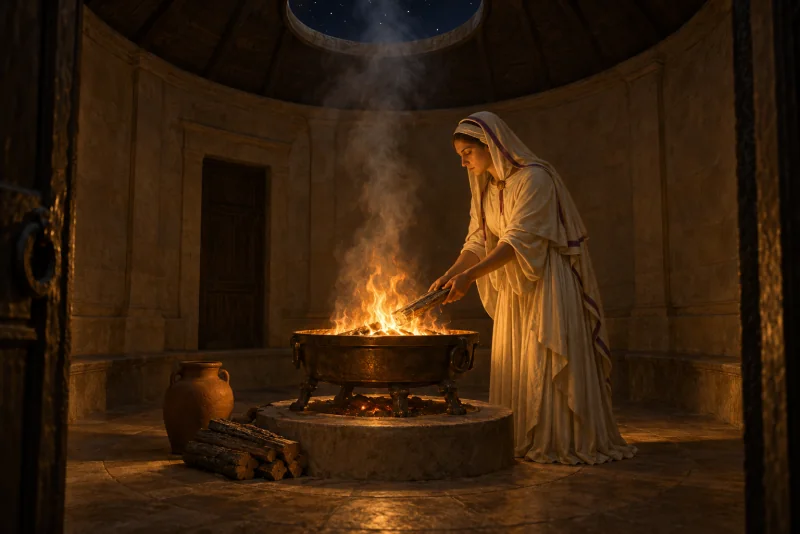
Vesta: The Hearth Goddess and Her Virgins

In a small round temple in the Forum, with no statue of the goddess in it, six priestesses kept the fire on which Rome's safety was thought to depend. They were chosen as little girls, bound for thirty years, and kept the flame until the end of the 4th century CE.

Read story 14 min read

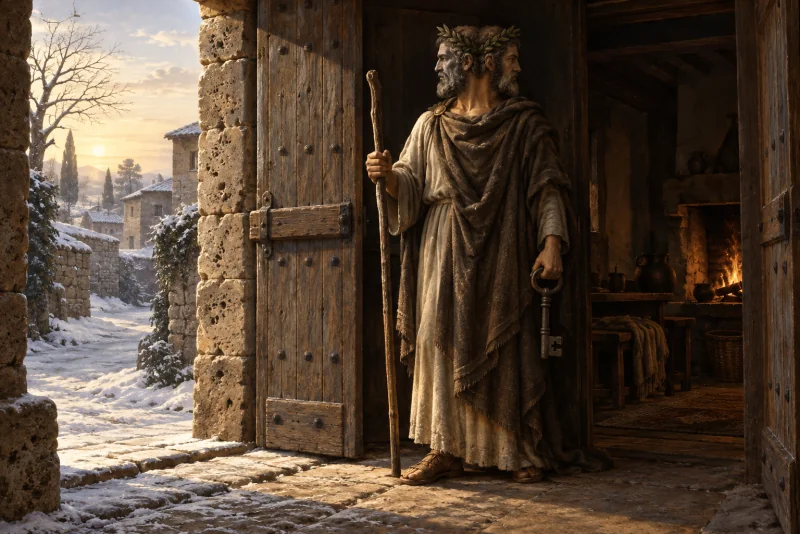
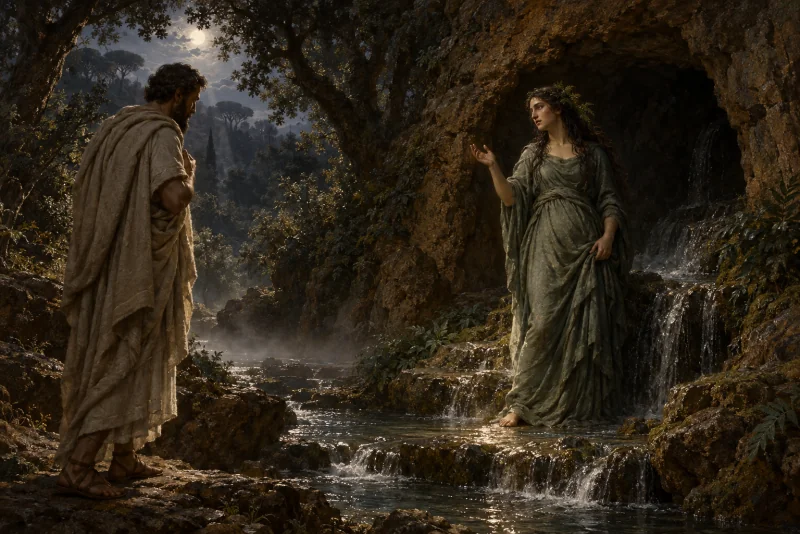
Numa and Egeria: The King and the Water Nymph

Rome's second king was said to take his laws from a goddess who met him by a spring at night, to bargain with Jupiter over the cure for lightning, and to be buried with his own sacred books. The books were dug up and burned in 181 BCE, and the Romans themselves doubted the story that he had studied with Pythagoras.

Read story 13 min read

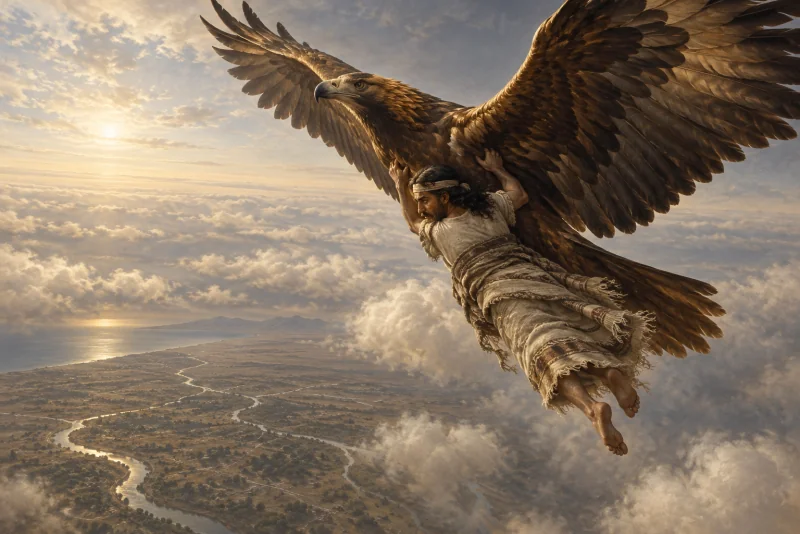
Etana: The King Who Flew on an Eagle

A childless king of Kish pulls an eagle out of a pit, and the eagle carries him up towards the heaven of Anu to find the plant of birth. The tablets break off before the end, and the ancient sources disagree on whether he ever had a son.

Read story 12 min read
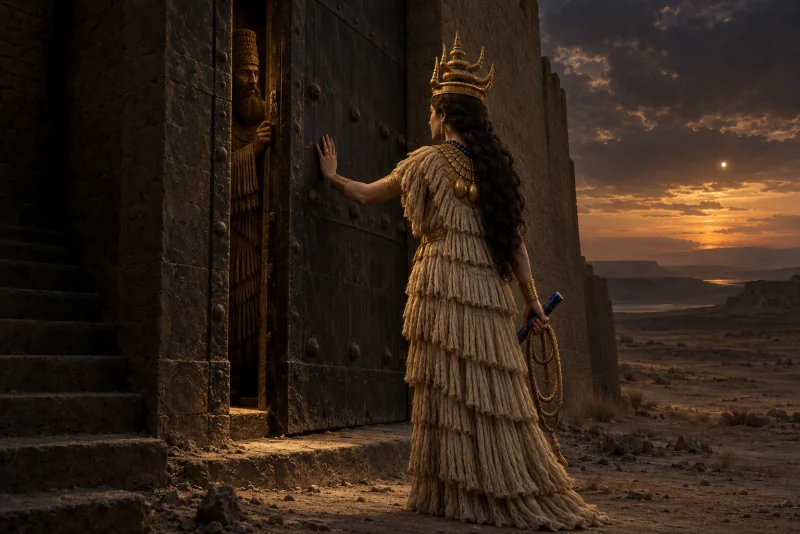
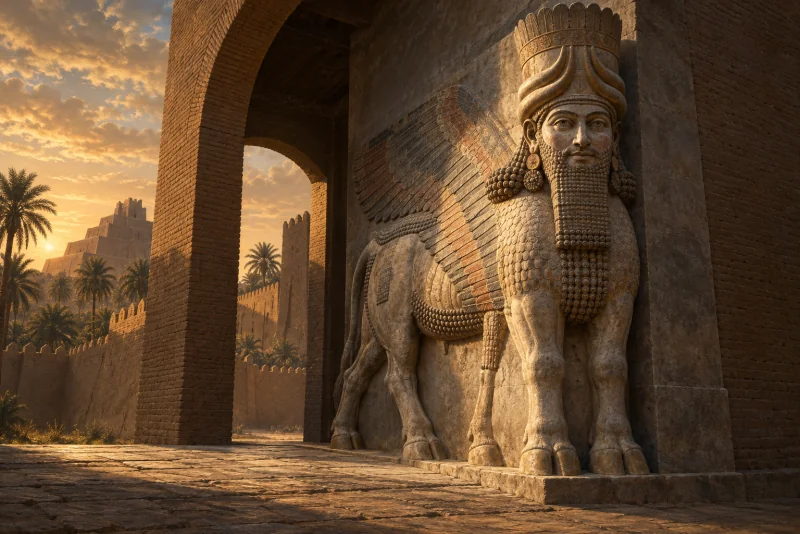
Lamassu: The Winged Bulls at the Palace Gates

Before it was a stone giant at an Assyrian gate, a lamassu was a spirit that walked beside a person, and could walk away. The kings carved it with five legs, so that it stands from the front and strides from the side, and their inscriptions say what it was there to do.

Read story 10 min read

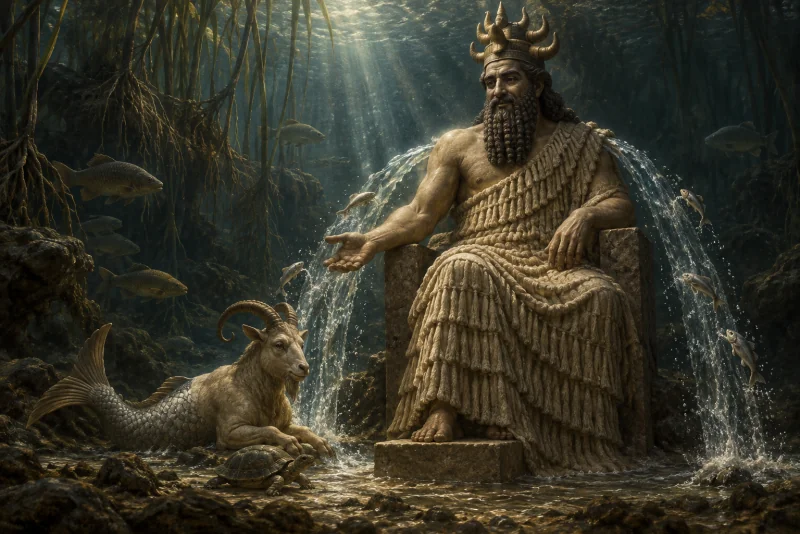
Enki: The Clever God of Fresh Water

He lived in the fresh water beneath the earth, gave every god a task, ate the eight plants of Dilmun and, after a drinking contest, handed his divine powers to Inanna. To the Babylonians he was Ea, the god who warned the flood hero.

Read story 13 min read

Enkidu: The Wild Man Made to Match Gilgamesh

The gods made him from a pinch of clay to be a match for the king of Uruk; he grazed with the gazelles, learned bread and beer from Shamhat, wrestled Gilgamesh in a doorway and became his friend. In the older Sumerian poems, though, Enkidu is Gilgamesh's servant.

Read story 11 min read

Enuma Elish: Marduk Splits Tiamat to Make the World

Marduk killed the sea goddess Tiamat, split her like a fish and made heaven and earth from her body, and the poem was recited to his statue at Babylon's New Year festival. It never describes Tiamat as a dragon, and the famous relief said to show their fight portrays another god and another monster.

Read story 14 min read