About Arcana
An archive of the world's myths, legends and ancient stories: each one told in full, then taken apart, in Japanese, English and Vietnamese.
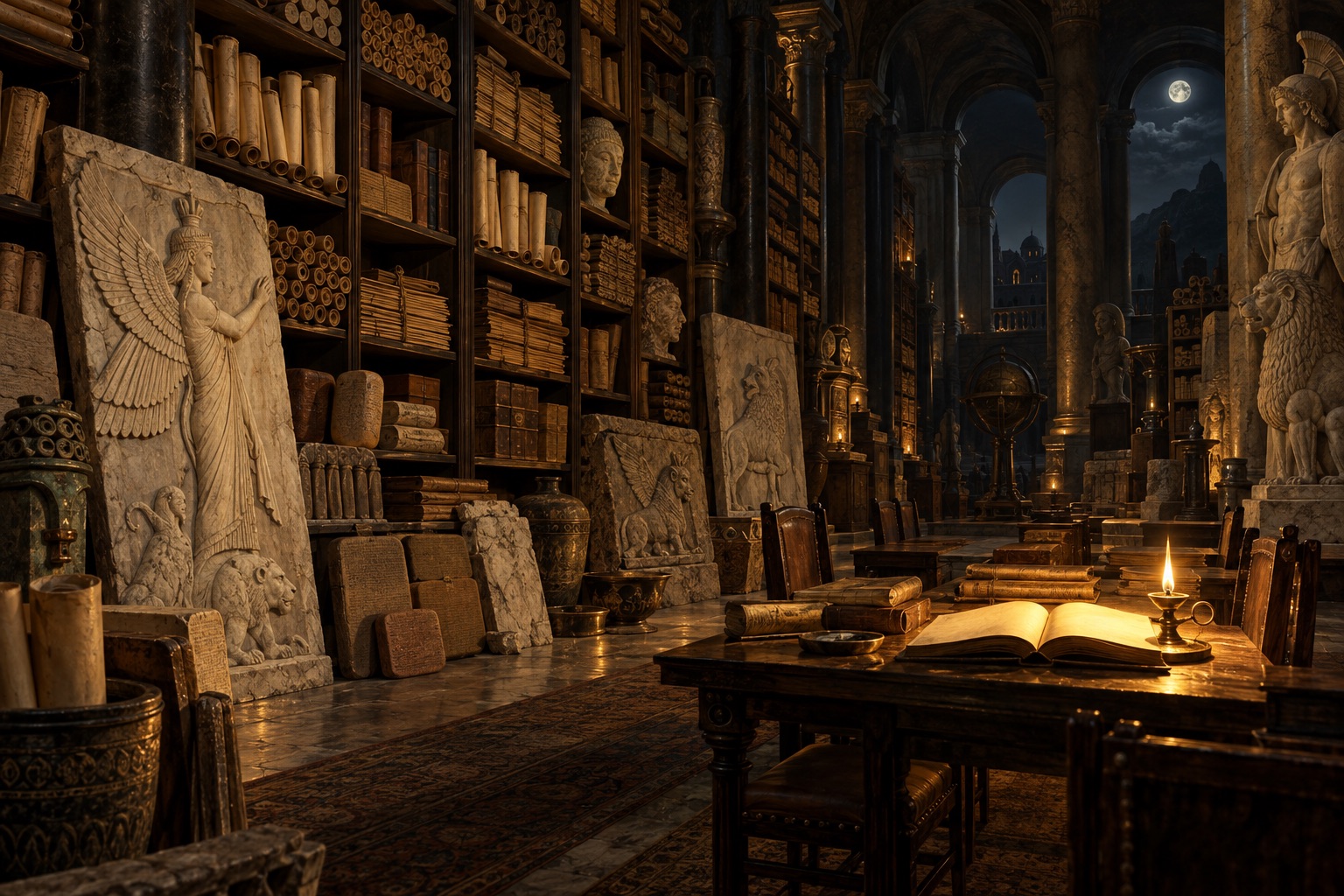
Arcana is an archive of the world’s myths, legends and ancient stories, written in Japanese, English and Vietnamese. It began in 2025 and grows a few stories at a time.
What you will find here
Each story is told in full first, and then taken apart: where it is written down, how its versions differ, what is history and what is tradition, and which other stories it is related to. Where a story is commonly misread, we say so and show where the mistake comes from.
The stories are grouped by the culture that tells them, and by theme: gods and deities, origins and creation, heroes and journeys, monsters and beings, and sacred places.
How a story is put together
Every story follows the same path, so that you always know where you are in it.
- A summary opens the page: what kind of story it is, the culture that tells it, its oldest sources and its main figures.
- A question most readers have about the story comes next, answered in a few lines.
- The telling is the story itself, from beginning to end, following its oldest source.
- Where the story is written down: the texts that keep it, when they were written, and how they reached us.
- Competing versions: how other tellings differ from the one above, and what each of them changes.
- History and tradition: what is known about the people who told the story, its places and its rites, and where history gives way to tradition.
- Related stories in the archive that the story meets.
- Sources: the texts, translations and studies the page relies on.
Reading aids
- Furigana for young readers. Japanese stories have a kids mode: choose a school grade, from 小1 to 中学, and the kanji not yet learned at that grade get their readings above them, in the story and in its contents list. The stories themselves stay as they are.
- Text size. On every story, the Aa button in the corner makes the text larger or smaller, in six steps.
Both choices are remembered in your browser for the next story, and nowhere else; the privacy policy lists what is kept.
How the stories are written
Every story starts from published sources: the old texts themselves, in the original or in translation, and the work of the scholars who have studied them. Each post ends with the sources it relies on, so you can check them yourself. When the sources disagree, we show the disagreement instead of quietly choosing one version.
The writing is done with the help of AI tools, and checked against the sources before it is published.
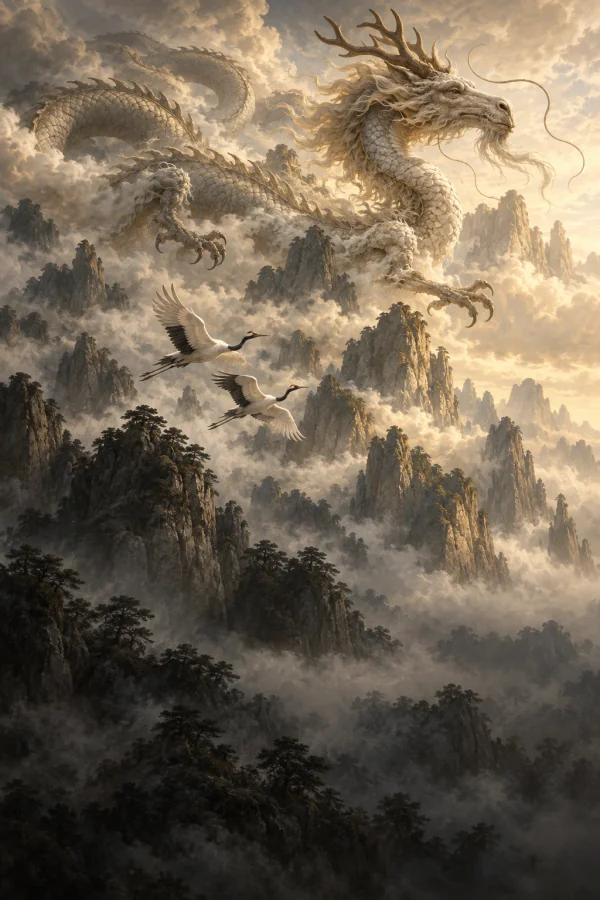
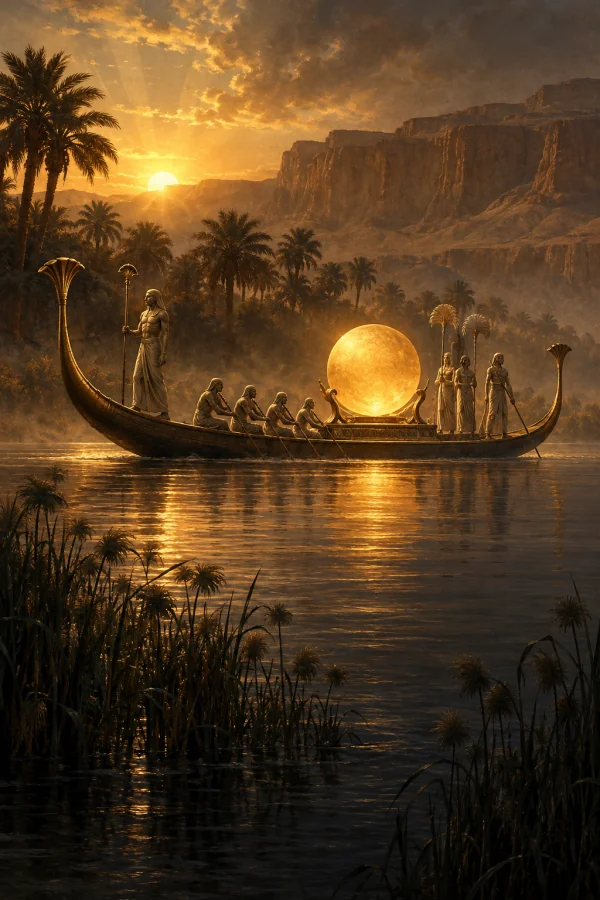
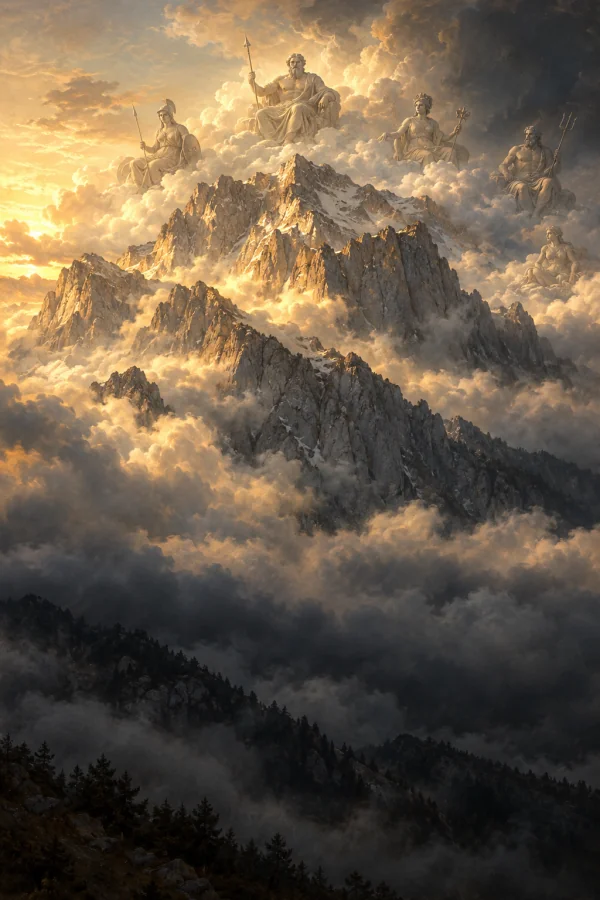
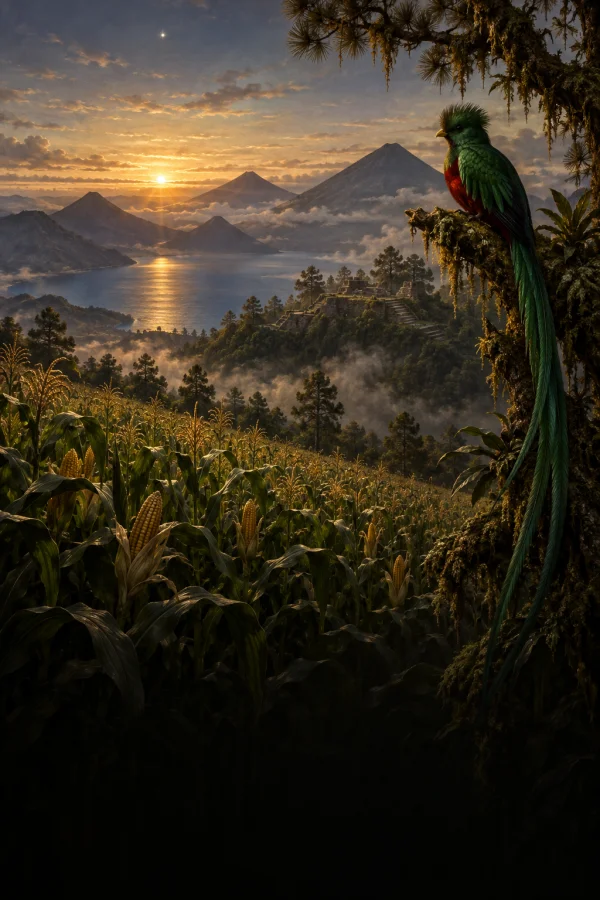
The covers and illustrations are AI-generated images made for Arcana. They are interpretations of the stories, not historical artworks, and not pictures of how anything really looked.
Corrections
Myths come in many versions, and we get things wrong. If you find a mistake, a missing source or a version we left out, write to [email protected]. Corrections are made in all three languages.
The motto
Veritas manet in fabulis: the truth remains in the stories. Not the truth that a god once walked the earth, but the truth about the people who told it: what they feared, what they hoped for, and how they explained their world.
The collections
The stories are grouped by the culture that tells them. Start with whichever one draws you in.