COLLECTION

Mexico

Explore the stories, beliefs, and extraordinary beings of this tradition.

8 stories

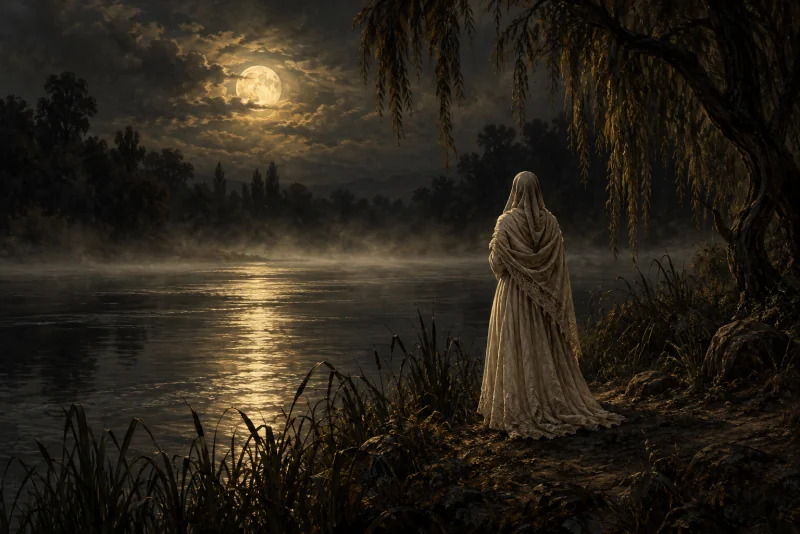
La Llorona: The Woman Who Weeps for Her Children

At night, by a river or a canal, a woman is heard wailing for her children, and whoever meets her may not live. The oldest texts we found that call her La Llorona are Mexican poems of the 19th century, yet in the Florentine Codex, finished in 1577, Nahua elders already remember a woman heard weeping in the night before the Spaniards came.

Read story 13 min read
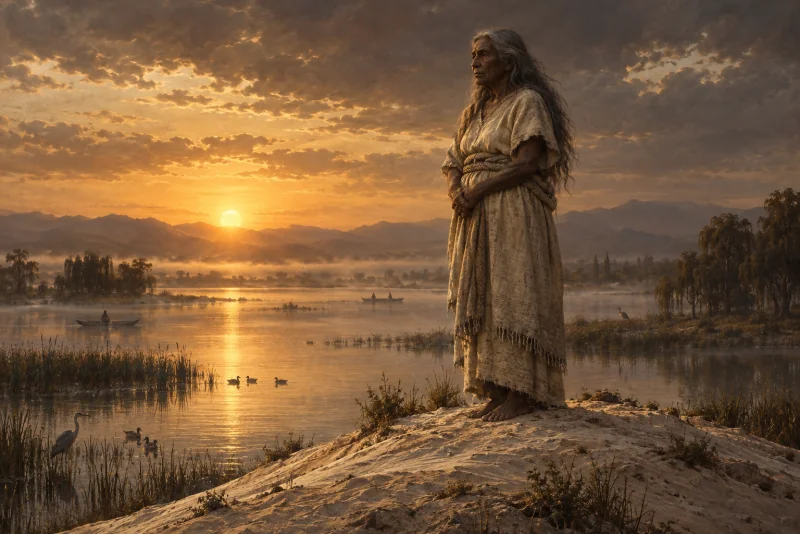

Mictlan: The Nine Places of the Dead

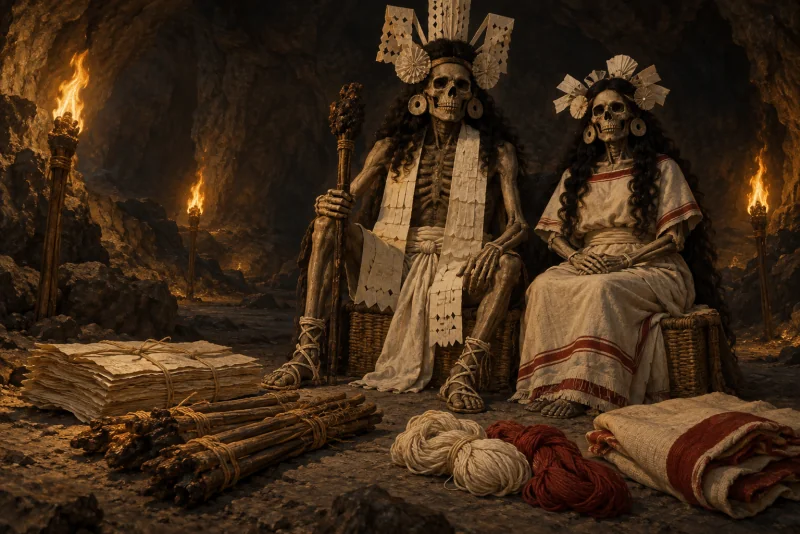
Most of the Mexica dead set out on a four-year road, past clashing mountains and a wind of obsidian blades, across a river on the back of a yellow dog, to the lord of Mictlan. Sahagún says the road ended in "the nine hells", but the famous list of nine levels comes from a single colonial codex.

Read story 11 min read

Quetzalcoatl: The Feathered Serpent

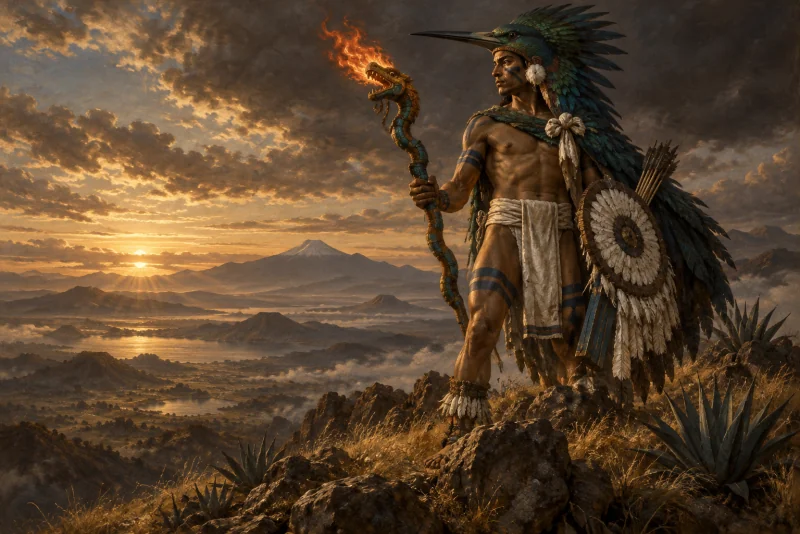
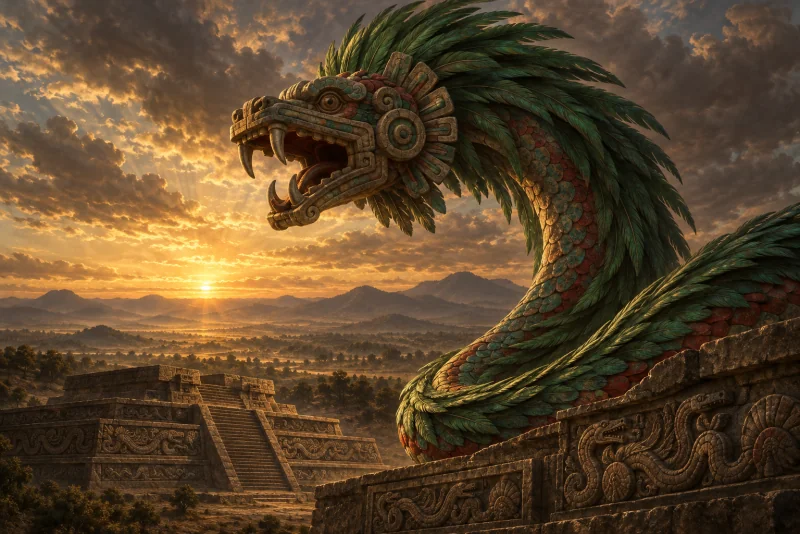
He went down to the land of the dead for the bones of the first people, and he was the wind, the morning star and a king of Tollan who left his city in shame. The feathered serpent is far older than the Mexica, and the story that they took Cortés for him is younger than the conquest.

Read story 12 min read

Tezcatlipoca: The Smoking Mirror

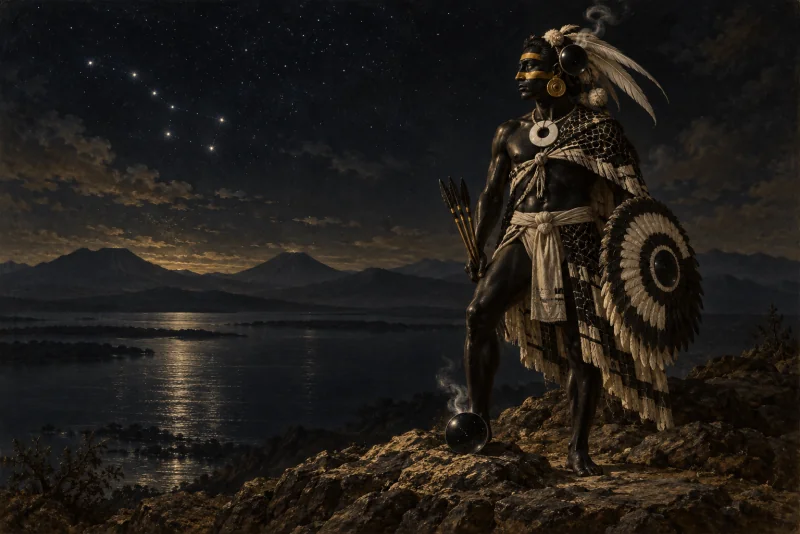
The Mexica called him Titlacauan, "we are his slaves": an invisible god of night and fate who gave riches and took them back, and whose living image, a young captive, was honoured for a year and then sacrificed. He was neither the devil the friars made of him nor simply the evil twin of Quetzalcoatl, with whom he tore the earth goddess in two to make the world.

Read story 14 min read