THE STORY INDEX

Follow your curiosity.

A growing collection of myths and legends, with their origins, variations, and sources.

151 stories

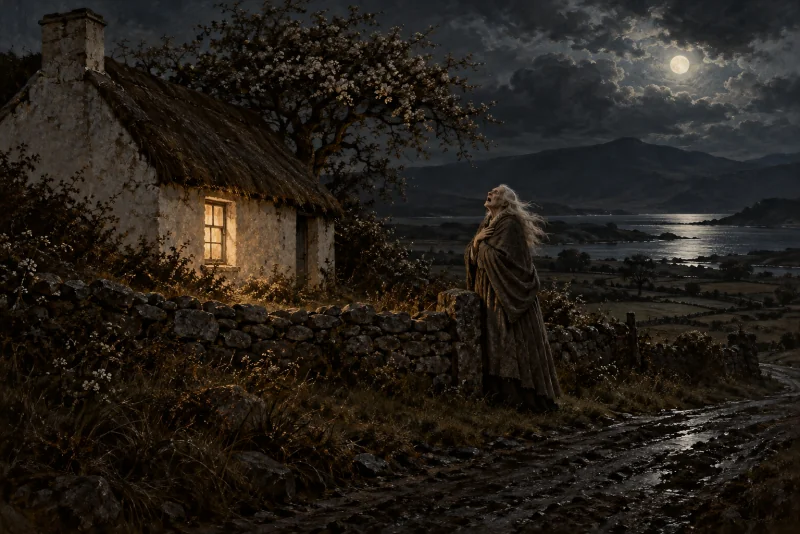
La Llorona: The Woman Who Weeps for Her Children

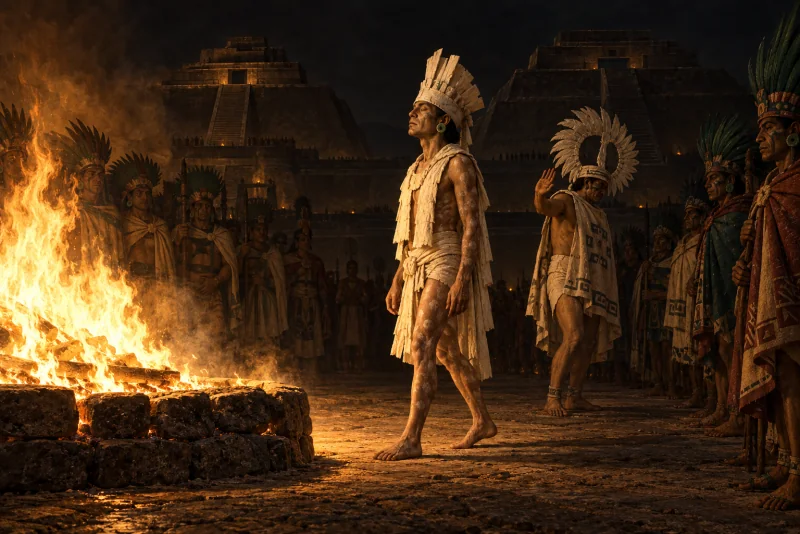
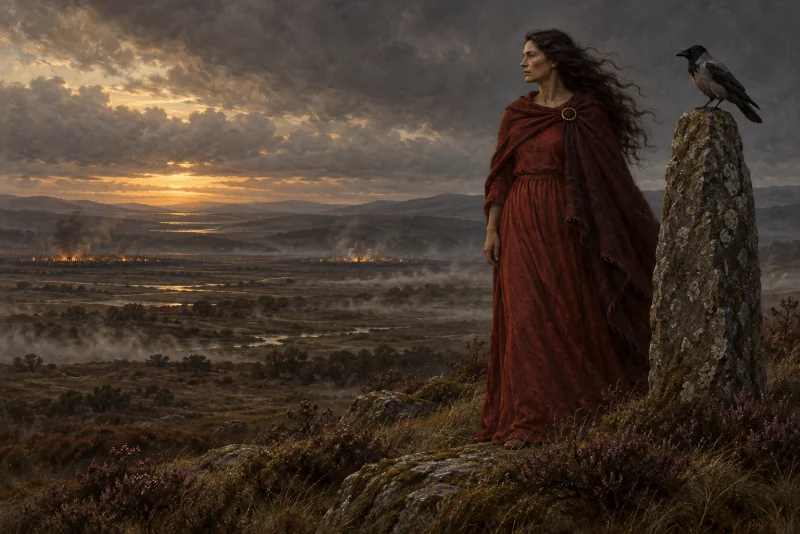
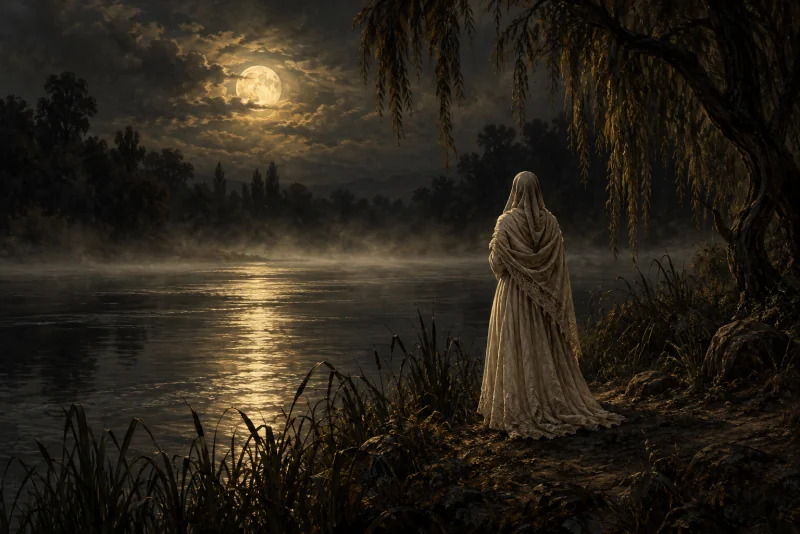
At night, by a river or a canal, a woman is heard wailing for her children, and whoever meets her may not live. The oldest texts we found that call her La Llorona are Mexican poems of the 19th century, yet in the Florentine Codex, finished in 1577, Nahua elders already remember a woman heard weeping in the night before the Spaniards came.

Read story 13 min read


Mictlan: The Nine Places of the Dead

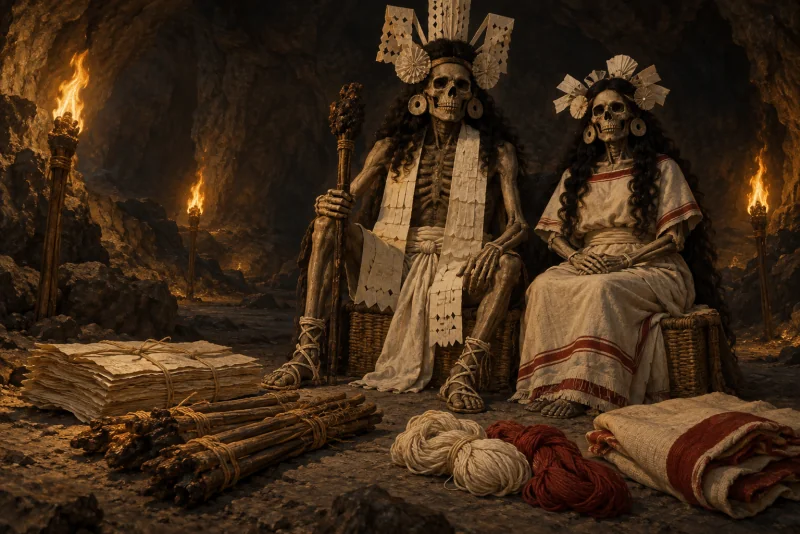
Most of the Mexica dead set out on a four-year road, past clashing mountains and a wind of obsidian blades, across a river on the back of a yellow dog, to the lord of Mictlan. Sahagún says the road ended in "the nine hells", but the famous list of nine levels comes from a single colonial codex.

Read story 11 min read

Quetzalcoatl: The Feathered Serpent

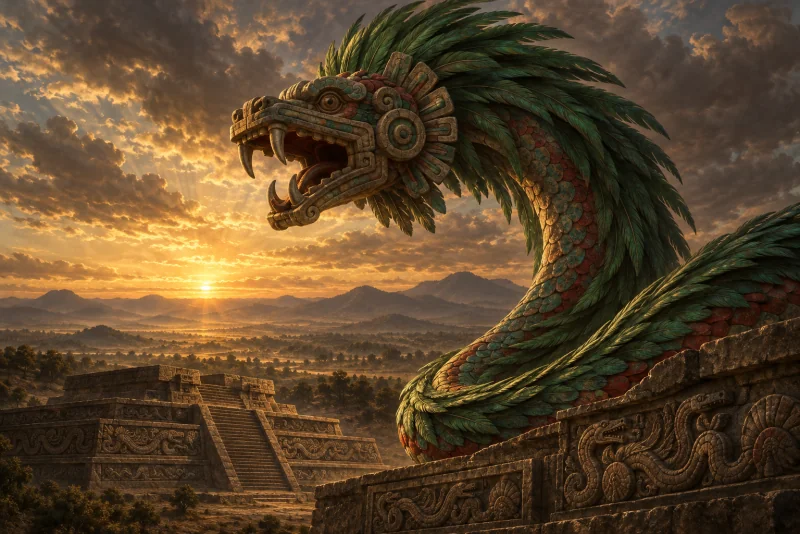
He went down to the land of the dead for the bones of the first people, and he was the wind, the morning star and a king of Tollan who left his city in shame. The feathered serpent is far older than the Mexica, and the story that they took Cortés for him is younger than the conquest.

Read story 12 min read

Tezcatlipoca: The Smoking Mirror

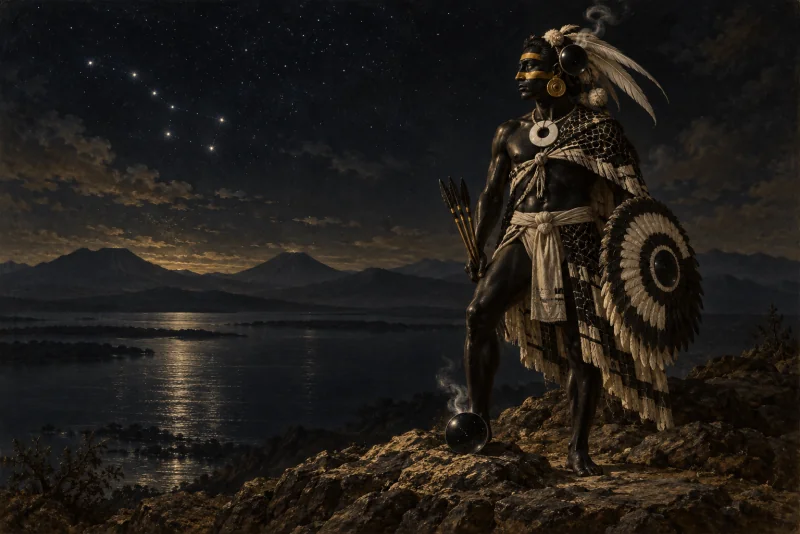
The Mexica called him Titlacauan, "we are his slaves": an invisible god of night and fate who gave riches and took them back, and whose living image, a young captive, was honoured for a year and then sacrificed. He was neither the devil the friars made of him nor simply the evil twin of Quetzalcoatl, with whom he tore the earth goddess in two to make the world.

Read story 14 min read

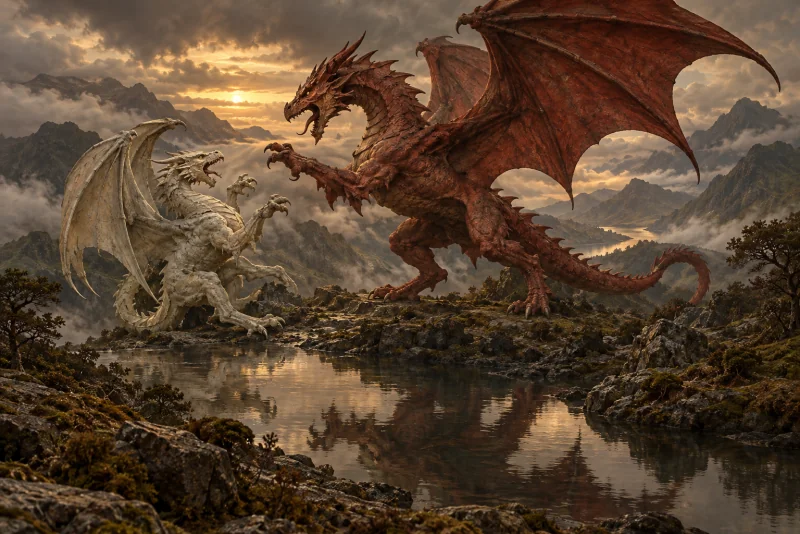
The Red Dragon: The Dragon on the Welsh Flag

Under a hill in Snowdonia, says a Latin history written in 829 or 830, a red dragon and a white one fought until the red drove the white away, and a boy explained that they were the Britons and the English. The dragon then became a king's standard, a royal badge and, only in 1959, the official flag of Wales.

Read story 12 min read

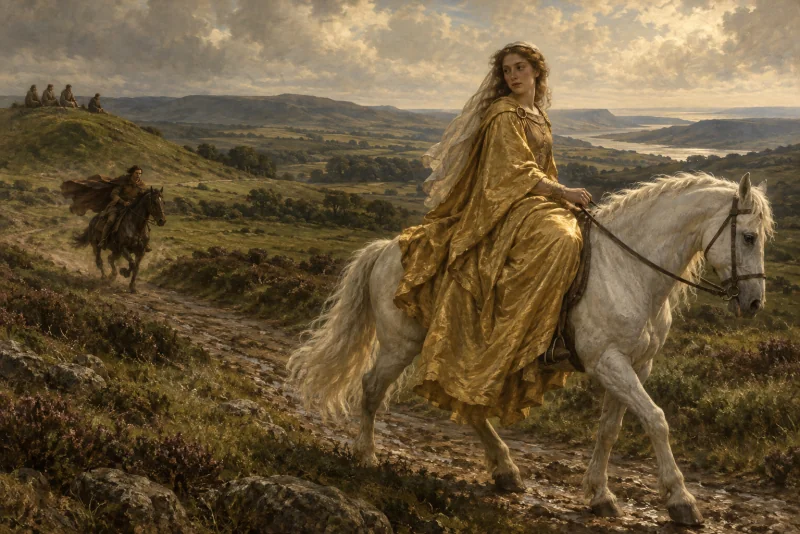
Oisín and Tír na nÓg: The Land of Youth

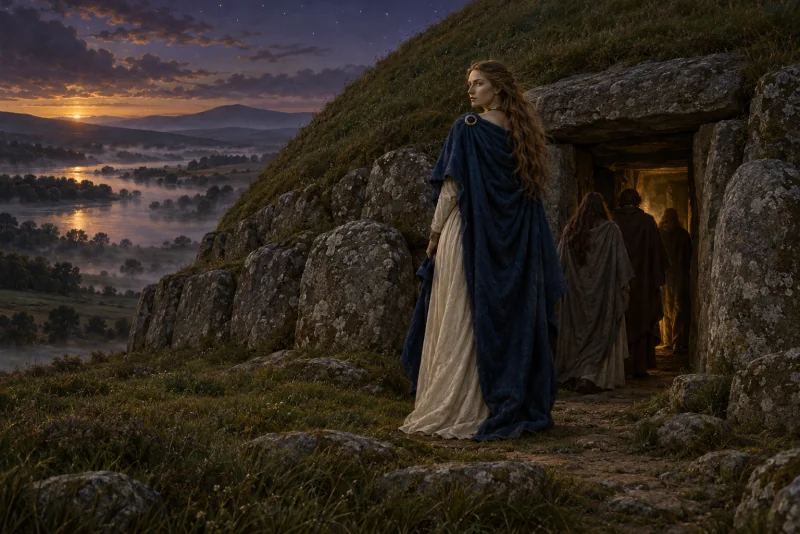
A woman on a white horse carries Oisín over the sea to the Land of Youth, and when he comes home three hundred years later and touches the ground, he is old and blind. The poem that tells the journey was written in County Clare around 1750, but the old man who tells it to St Patrick is centuries older.

Read story 11 min read

The Mabinogi: The Four Branches

A prince who spends a year in another king's shape, a giant who lies down as a bridge, a kingdom emptied by a spell and a woman made of flowers: four medieval Welsh tales, each ending "thus ends this branch of the Mabinogi". No medieval book was ever called the Mabinogion; the name comes from a copyist's slip and a Victorian translation.

Read story 15 min read

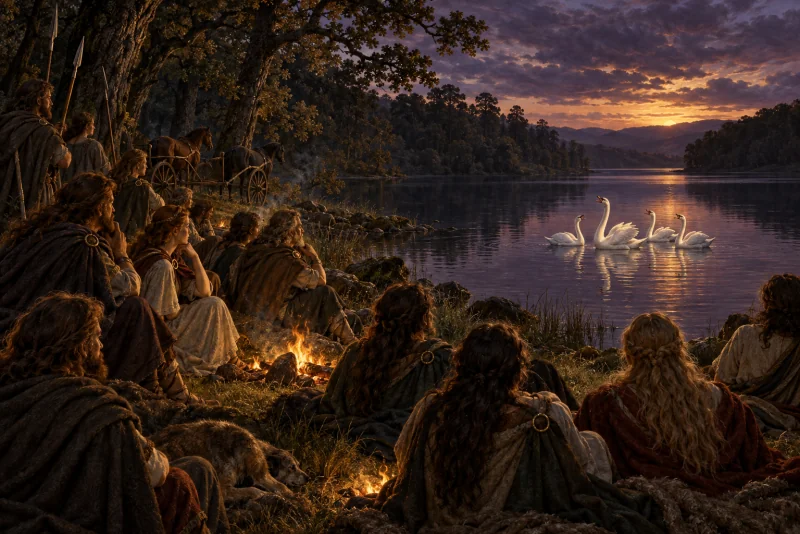
The Children of Lir: Nine Hundred Years as Swans

A jealous stepmother turned Lir's four children into swans for nine hundred years, and only a monk's bell released them, as old people on the point of death. The tale is often called an ancient pagan myth, yet the earliest known mention of it is a title in a book list of 1526, and it ends with a baptism.

Read story 10 min read

The Morrígan: The Phantom Queen of Battle

She meets the Dagda in a river at Samhain, fights Cú Chulainn as an eel, a wolf and a heifer, and after the great battle of the gods foretells first peace, then the end of the world. Even the scribes who copied her stories could not agree whether her name meant great queen or phantom queen.

Read story 13 min read

Cú Chulainn: The Hound of Ulster

At seven he killed a smith's hound and took its place; at seventeen he held the fords of Ulster alone against the armies of four provinces. The two medieval versions of his saga disagree on much, and modern Ireland has made him a symbol on both sides of its divide.

Read story 13 min read

Chú Cuội: The Man on the Moon

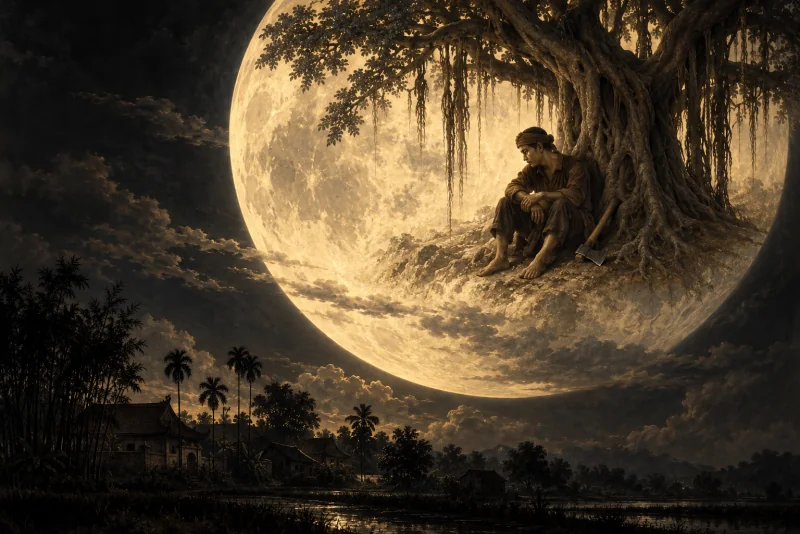
A woodcutter found the tree whose leaves bring back the dead, and it carried him off to the moon. The oldest written telling, from 1886, never calls its hero Cuội, and the oldest Cuội we have found, in a dictionary of 1651, is a liar with no moon at all.

Read story 10 min read

Tấm and Cám: The Girl Who Came Back

Killed by her stepmother's household, Tấm comes back as a bird, two trees, a loom and a fruit until the king finds her again. The tale is often called a Vietnamese copy of Cinderella, yet its oldest written version, printed in 1886, names the heroine Cám, and its second half has no place in Perrault or Grimm.

Read story 13 min read
Hoàn Kiếm Lake: The Sword Returned to the Turtle

A fisherman nets a blade, a rebel finds its hilt in a banyan, and after the war a golden turtle takes the sword back into a Hanoi lake. The 15th-century chronicle tells only how the sword was found, and the oldest stories of the lake, from around 1800, end with a lost sword and a king draining the lake to find it.

Read story 11 min read