THE STORY INDEX

Follow your curiosity.

A growing collection of myths and legends, with their origins, variations, and sources.

151 stories

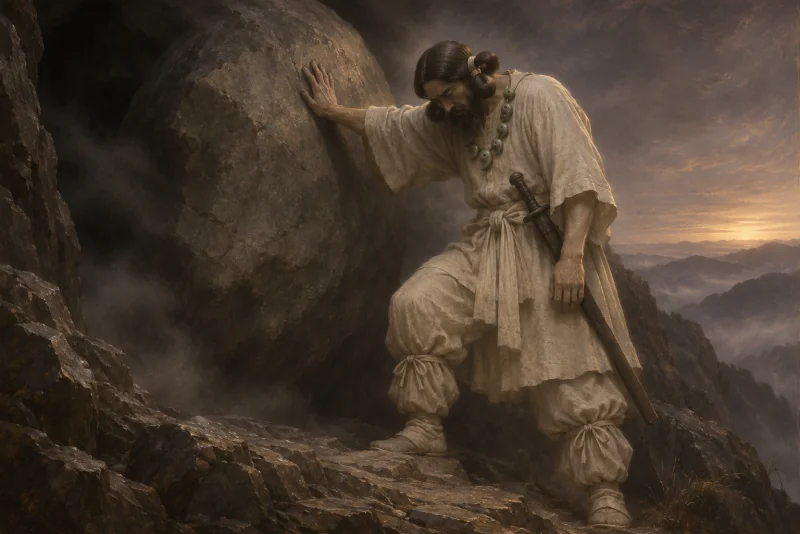
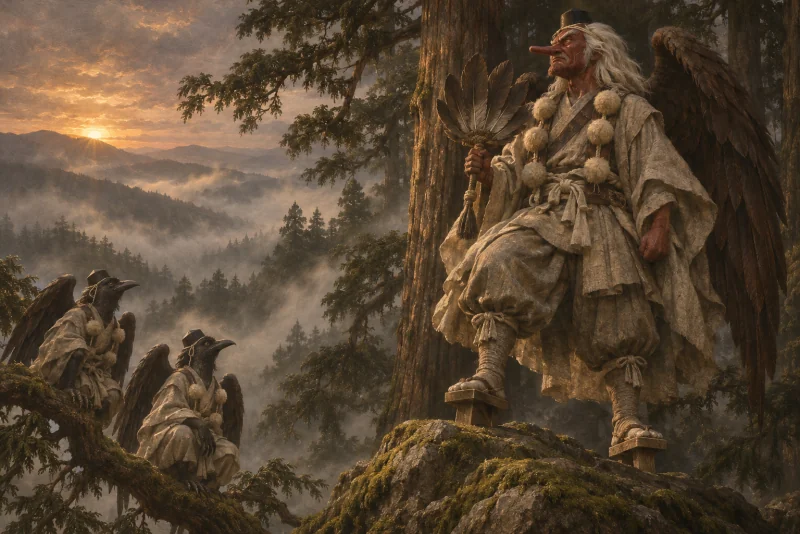
Tengu: The Goblins of the Mountains

In 637 a monk told the Japanese court that a roaring star was no meteor but a tengu, a "heavenly dog". Over the next thousand years the tengu became a kite that fooled the pious, the fallen soul of a proud monk, a mountain spirit that carried children away, and at last the red-faced, long-nosed figure still honoured on Kurama and Takao.

Read story 13 min read
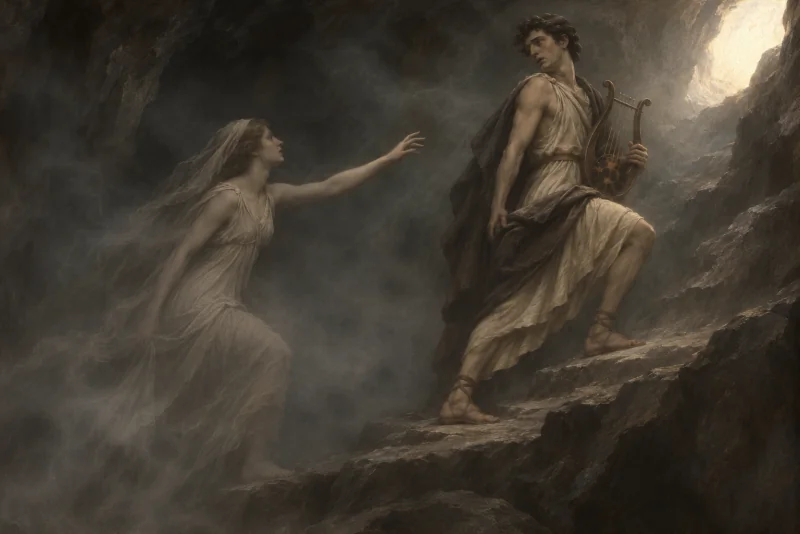
Orpheus and Eurydice: The Look Back

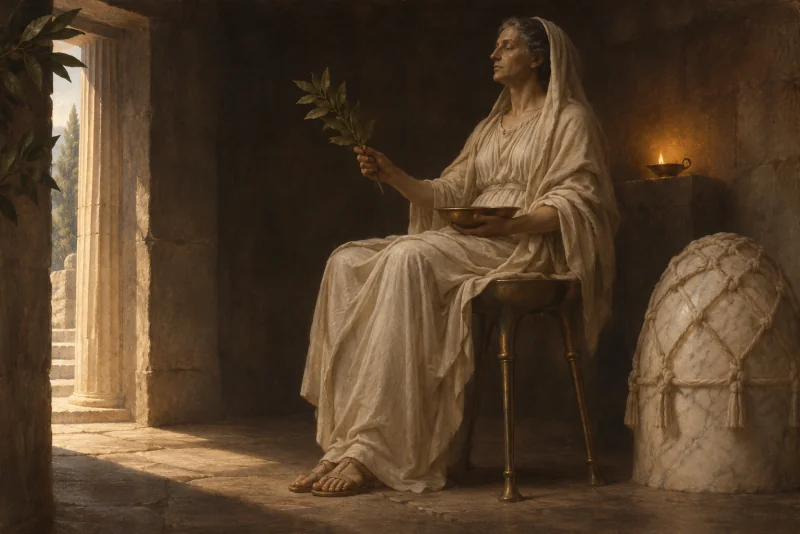
Orpheus sang his way into the land of the dead and won his wife back on one condition, and a few steps from the light he looked back. That loss is first told by Roman poets; several Greek writers before them speak as if he brought her home.

Read story 12 min read

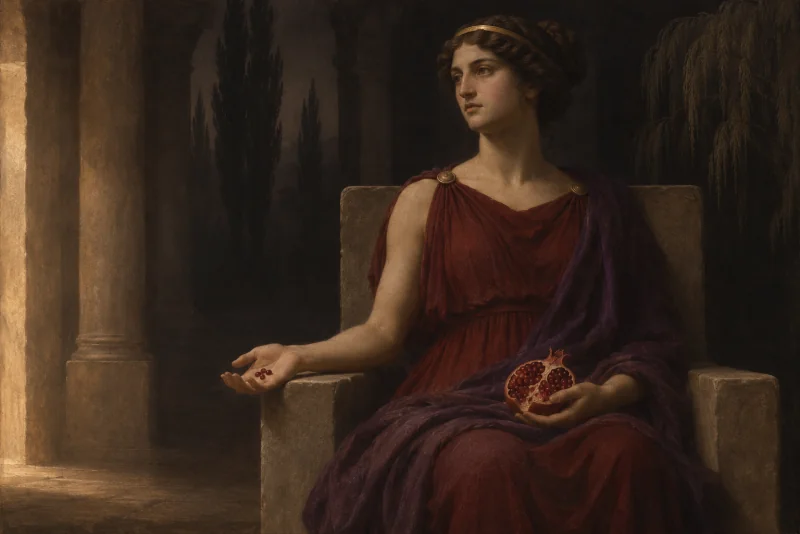
Persephone: The Pomegranate and the Seasons

Hades carried Demeter's daughter down to the dead, and her mother kept the seed in the ground until the gods gave her back. But Persephone had eaten a pomegranate seed below, so for part of every year she must return, and the oldest telling never says that part is winter.

Read story 12 min read

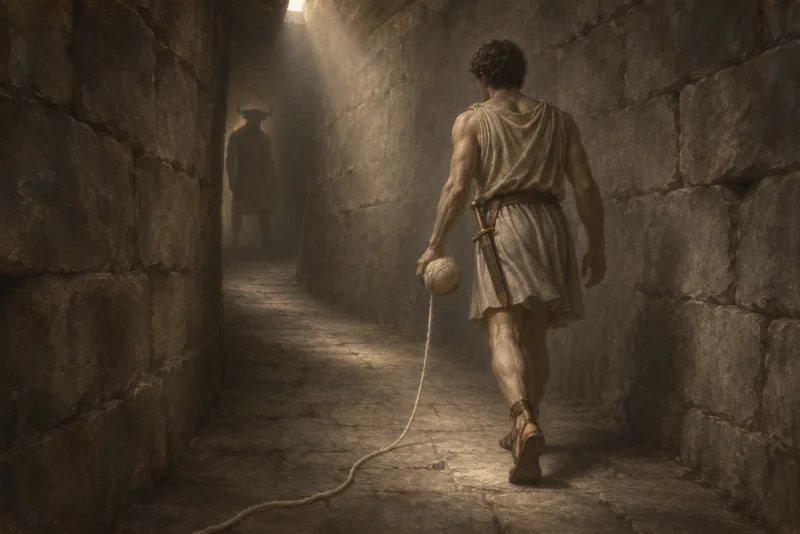
Theseus and the Minotaur: The Labyrinth

A prince from Troezen sailed to Crete among the young Athenians sent to the Minotaur, came out of the labyrinth by Ariadne's thread, and forgot to change his sail on the way home. Plutarch, who tells the story most fully, also reports a Cretan version in which the Minotaur was a general named Taurus.

Read story 12 min read

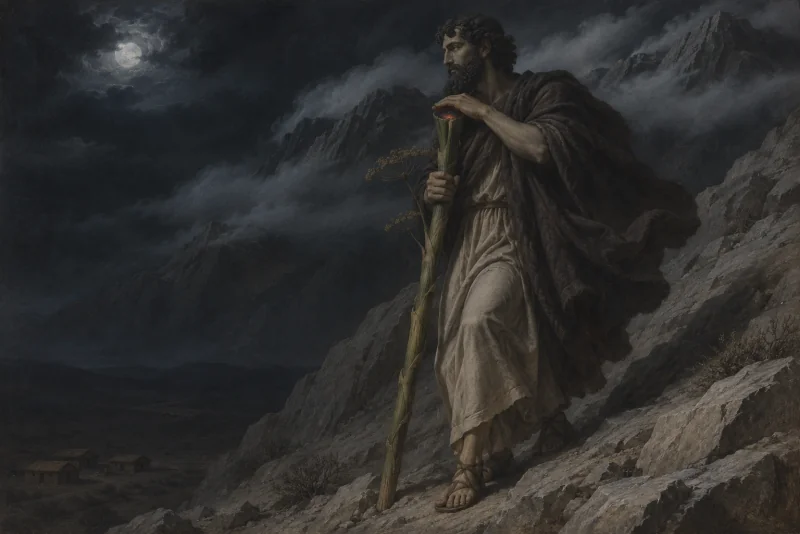
Prometheus: The Theft of Fire

Prometheus tricked Zeus over the shares of a sacrifice, stole back the fire Zeus withheld in a fennel stalk, and was chained where an eagle came every day for his liver. In the oldest poems he is the champion of humankind, not its maker: the clay came later.

Read story 11 min read

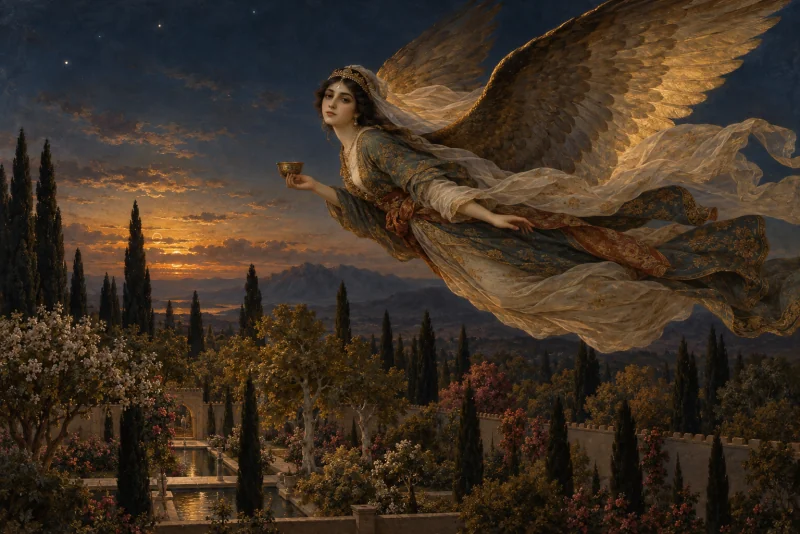
The Peri: From Demons to Fairies

In the Avesta the pairikā is a demoness who flies between earth and sky until the star Tishtrya binds her; in Persian poetry the parī is the measure of all beauty. Europe met her through Galland's Arabian Nights and Thomas Moore's Peri at the gate of Eden, and her name sounds like "fairy", though the English word does not come from it.

Read story 10 min read

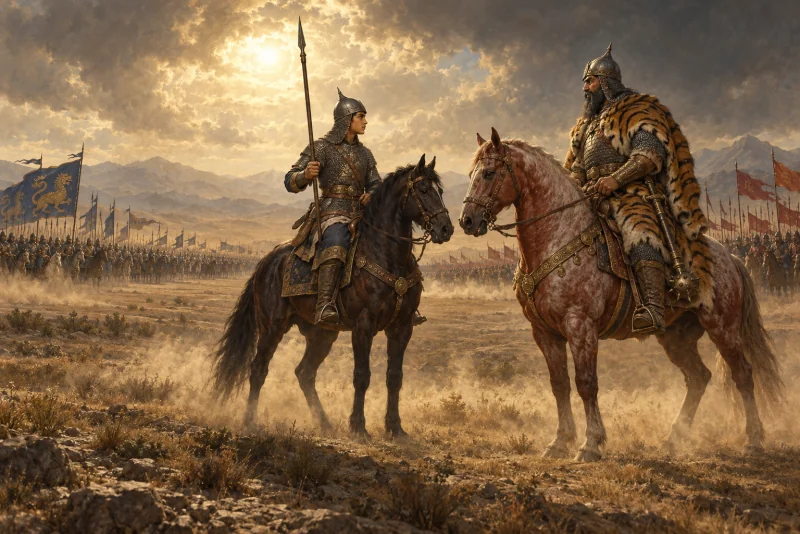
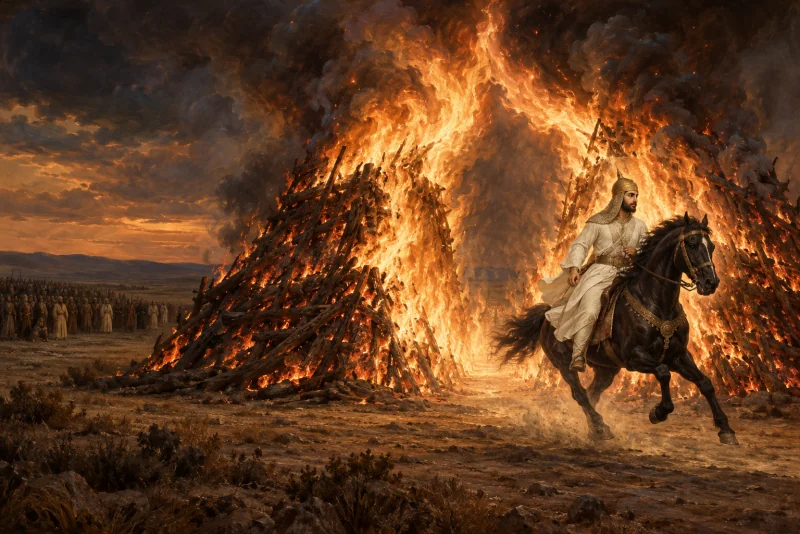
Siyavash: The Trial by Fire

Falsely accused by his stepmother, Prince Siyavash rode through a mountain of fire and came out unharmed, then chose exile over breaking his word and was killed in the land of his father's enemy. Ferdowsi did not invent him: the Avesta already remembers his murder, and Bukhara had songs of mourning for him.

Read story 12 min read

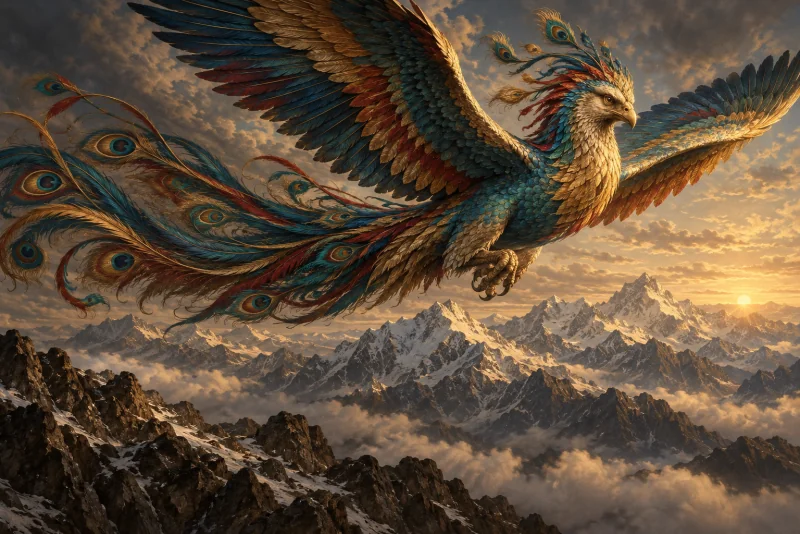
The Simurgh: The Great Bird of the Alborz

She raised an abandoned child in her nest on the Alborz, saved his wife and newborn son with her advice, and showed that son the branch that would kill a prince. Behind the Simurgh of Ferdowsi's epic stands an older bird of the Avesta, perched on a tree that holds the seeds of every plant.

Read story 11 min read

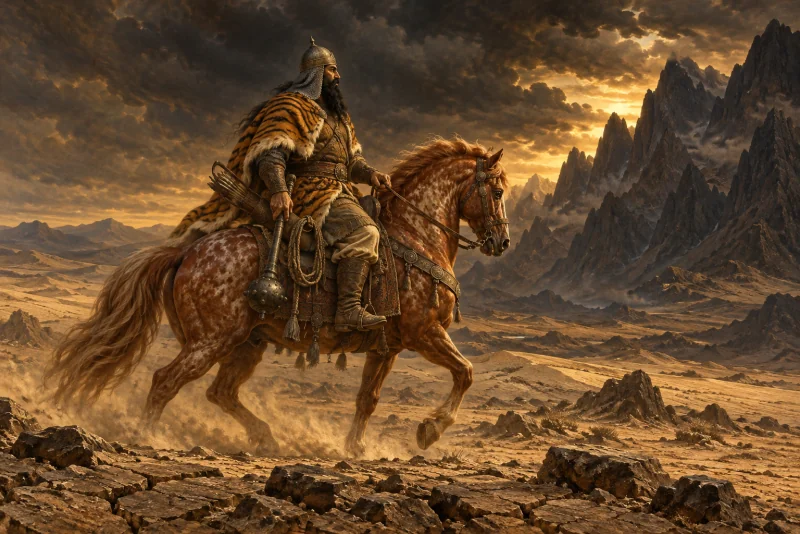
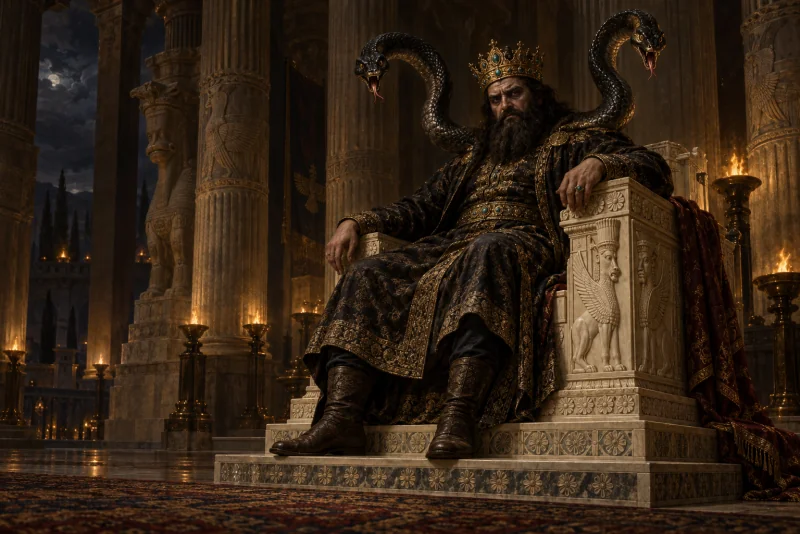
Zahhak: The King with Serpents on His Shoulders

In the Avesta he is a dragon with three heads; in Ferdowsi's Shahnameh he is a king whose shoulders sprout two black serpents that must be fed every night. When Fereydun brings him down at last, an angel stops the final blow, and Zahhak is left in chains inside Mount Damavand.

Read story 11 min read

Mithra: The God of the Covenant

Mithra has a thousand ears and ten thousand eyes, and he rises over the mountains before the sun to see who breaks their word. Zoroastrians still honour him, but the Roman Mithras who killed a bull, and the claim that he was born on 25 December, are another story.

Read story 10 min read

The Popol Vuh: The Gods Make People from Maize

Before the first sunrise, the gods of the K'iche' Maya made animals, then a body of mud, then people of wood, and only at the last attempt people of maize who could speak and give thanks. The book that tells it was written in the 1550s, after the Spanish conquest, and survives only in a priest's copy made in the early 1700s.

Read story 14 min read