














Some stories
refuse to die.

Across cultures and centuries, we keep telling them. Discover the gods, creatures, and extraordinary ideas that shaped our world.

Begin with a storyAmun: The Hidden God of Thebes

A growing collection of myths and legends, with their origins, variations, and sources.

151stories16cultures

EXPLORE BY CULTURE

One world. Many beginnings.

Different places. Shared questions. Choose a tradition to explore.

THE STORY INDEX

Follow your curiosity.

A growing collection of myths and legends, with their origins, variations, and sources.

151 stories

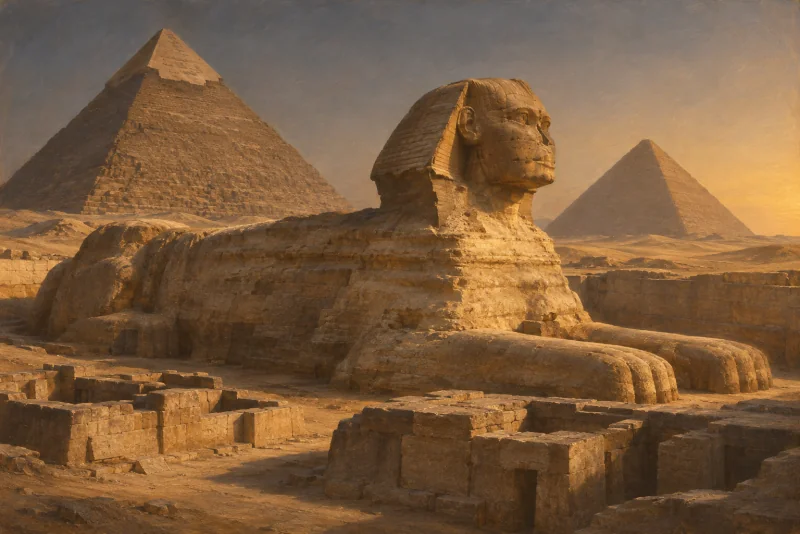
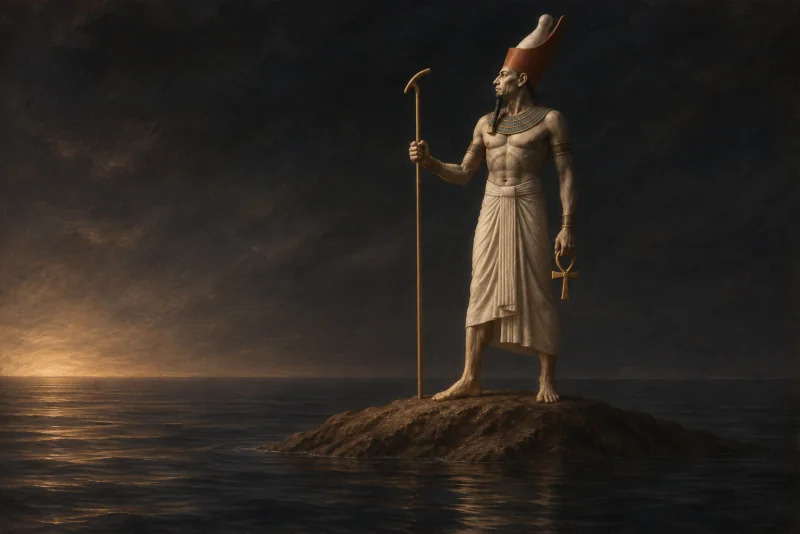
Amun: The Hidden God of Thebes

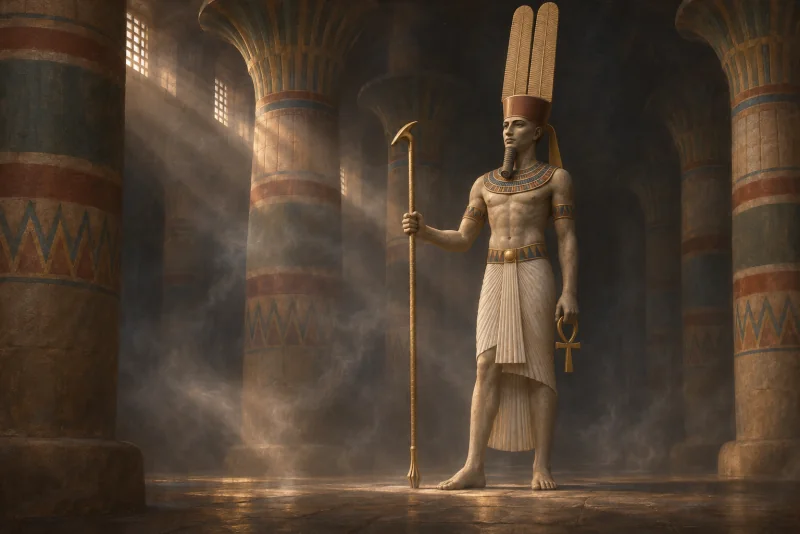
His name meant "the hidden one", yet Amun of Thebes became king of the gods, the divine father of pharaohs and, for the Greeks, the Zeus Ammon whose desert oracle greeted Alexander as a son. One pharaoh had his name cut out of the temples, and a boy king put it back.

Read story 10 min read
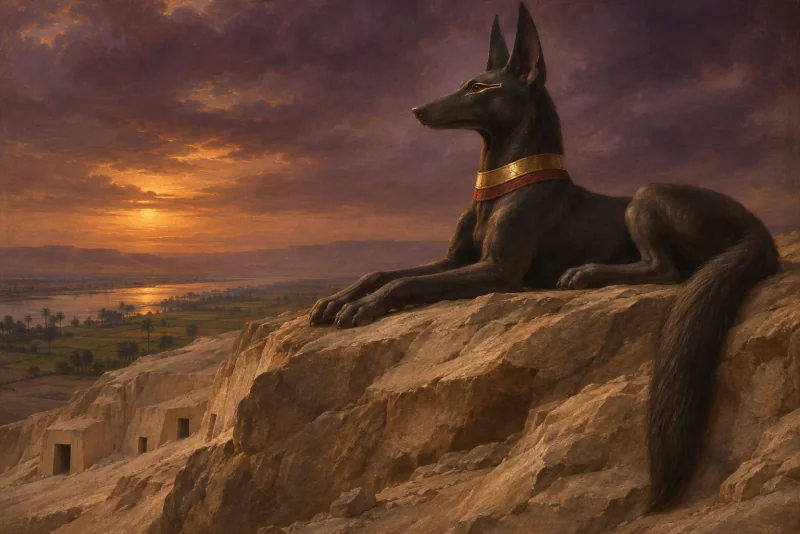
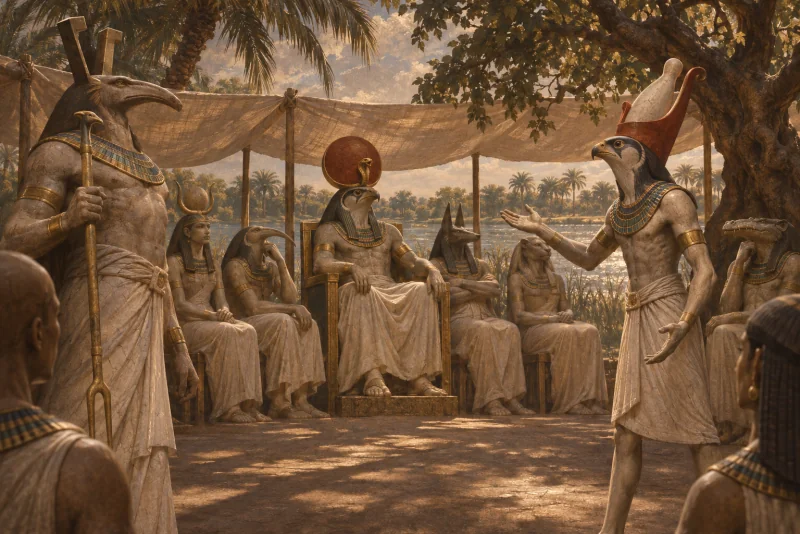
Anubis: The Jackal God of Embalming

Anubis kept watch over Egypt's cemeteries from the desert hill and wrapped the dead in linen, and Egyptians carved his name on their tombs in the prayer for a good burial. Yet few texts tell his deeds, and the only story that bears his name is a folk tale about two brothers.

Read story 12 min read

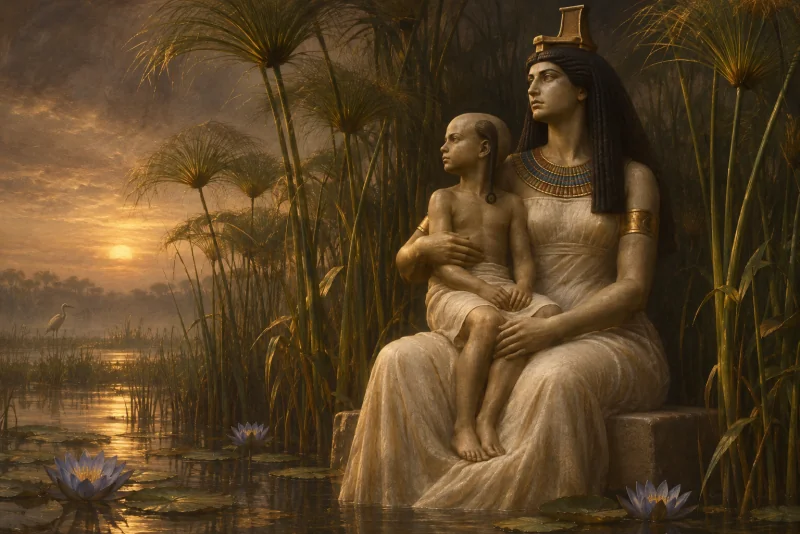
Isis: The Goddess of Magic Who Outwitted the Sun

Isis made a serpent from the old sun god's spittle and would heal him only for his secret name, and she drove the scorpions' poison out of a stranger's child and out of her own. The spells that tell these stories were recited over the sick, and her worship spread from the Nile to Rome.

Read story 12 min read

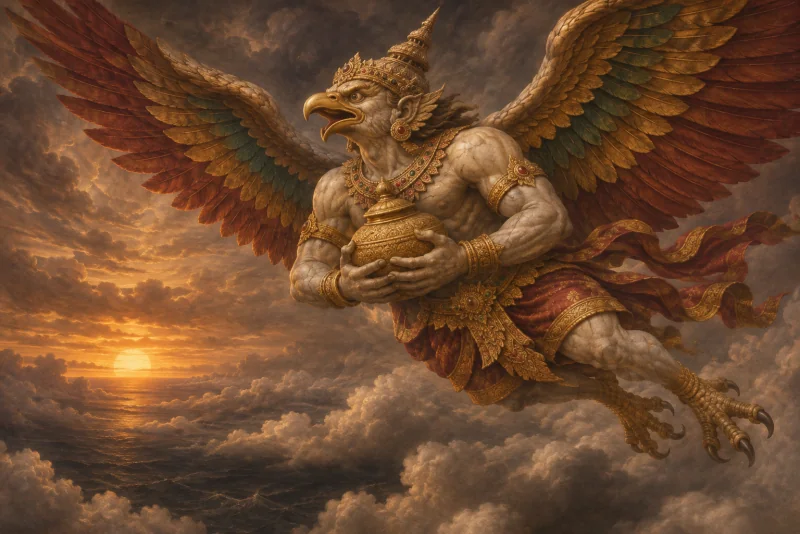
Garuda: The King of Birds

To free his mother from slavery, the bird Garuda stole the drink of immortality from the gods and never tasted it. The Mahābhārata tells how he became Vishnu's mount and the enemy of every snake.

Read story 9 min read

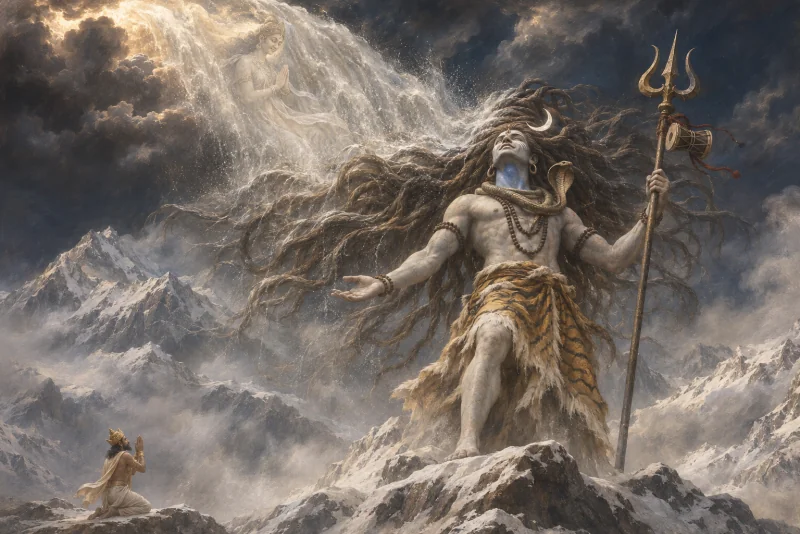
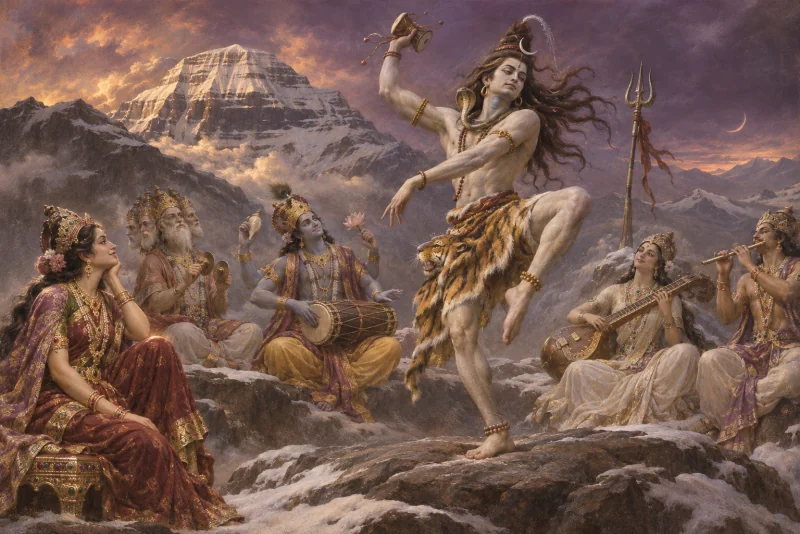
Shiva: The Destroyer and the Dancer

When Daksha shut Shiva out of his sacrifice, his daughter Sati gave up her body rather than hear her husband insulted, and Shiva's fury wrecked the rite. Textbooks call him the destroyer; the texts that worship him say he makes, keeps and ends the world, and dances while he does it.

Read story 13 min read

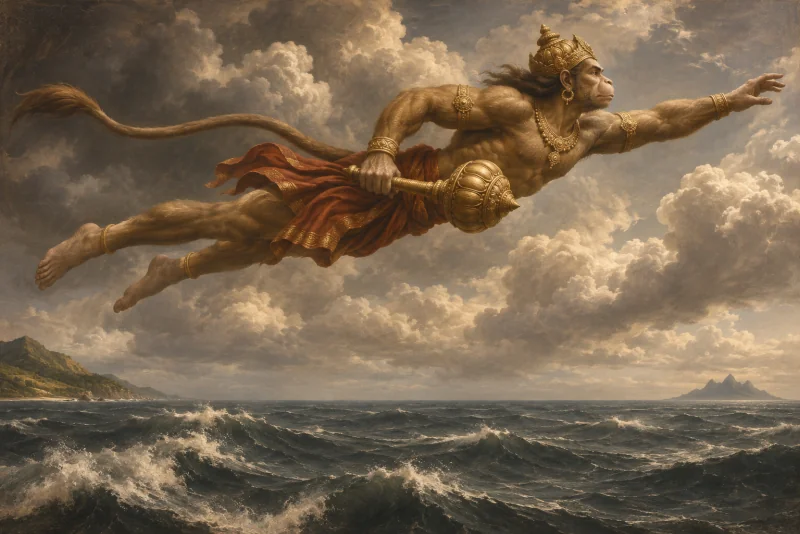
Hanuman: The Monkey Who Leapt the Sea

As a child he leapt at the sun and broke his jaw; grown up, he crossed the sea in one leap to find Sita and carried a mountain of healing herbs to the battlefield. In India he is worshipped as the model celibate, but the Thai Ramakien gives him loves and sons.

Read story 12 min read

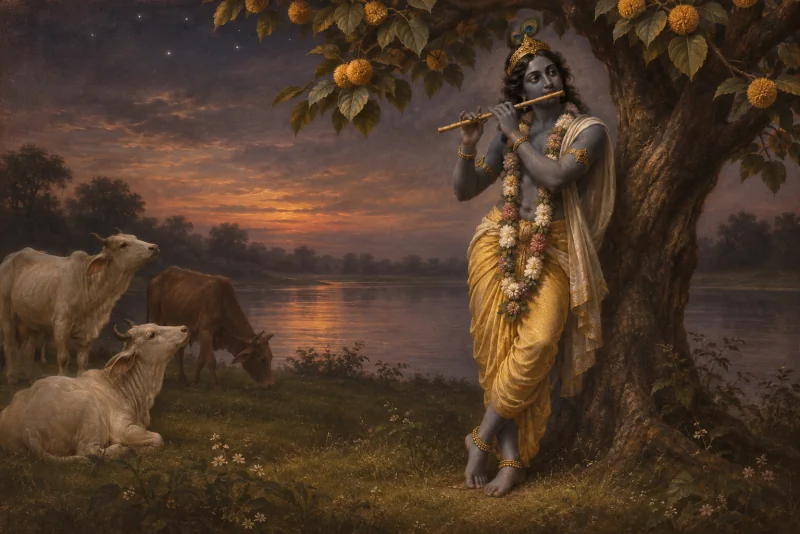
Krishna: The Cowherd God

Born in a prison, raised among cowherds, he stole butter, danced on a serpent and held up a mountain, then taught a warrior on a battlefield and died by a hunter's arrow. His childhood is barely in the Mahābhārata, and the Bhāgavata, the fullest telling of his youth, never names Radha.

Read story 11 min read

Heungbu and Nolbu: The Swallow's Gourds

A poor man mends a swallow's broken legs and its gourd seed makes him rich; his greedy brother breaks a swallow's legs on purpose, and his gourds ruin him. Yet the story does not stop at Nolbu's ruin: the oldest copy and the great pansori libretto end with Heungbu taking his brother in.

Read story 10 min read
Samsin Halmeoni: The Goddess of Birth

After a birth, Korean families set the first bowl of rice and seaweed soup before Samsin Halmeoni, the grandmother who gives children and guards them while they are small. How she won the post is sung only in Jeju: a flower contest in heaven, lost by the Dragon King's daughter.

Read story 10 min read
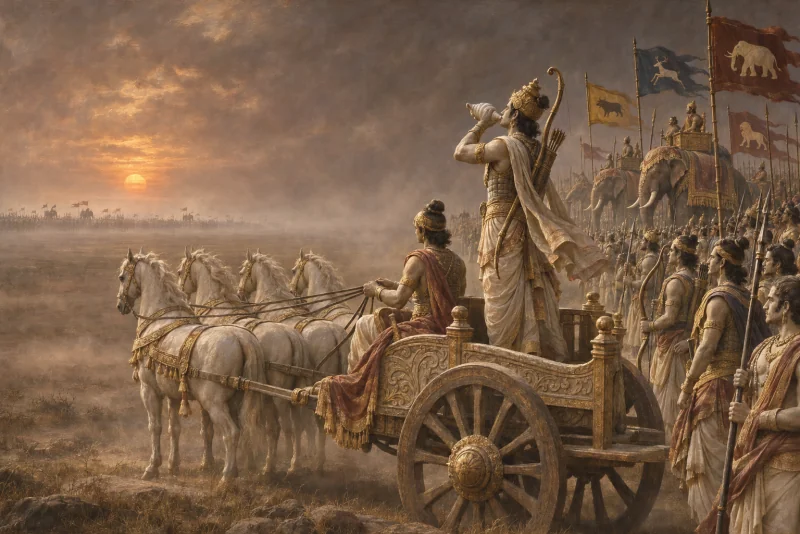
Jeoseung Saja: The Messengers of Death

In a song of Jeju Island, a magistrate's runner named Gangnim went down alive to arrest the king of the dead, and the king kept him as his messenger. Television dressed Korea's messengers of death in black; in the rites they were soldiers, and a temple painting of 1676 shows them in red and green beside their horses.

Read story 11 min read