COLLECTION

Place

Stories connected by a shared idea.

17 stories

Kunlun: The Mountain of the Immortals

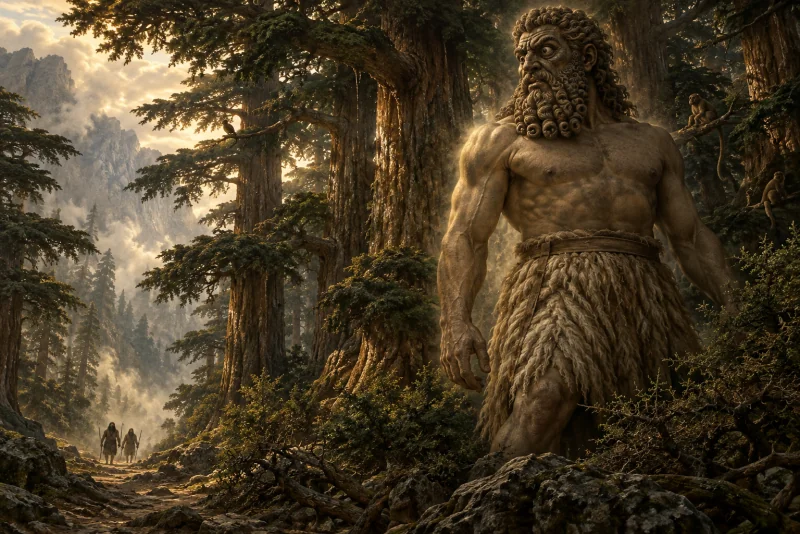
On a mountain in the far northwest, the old books say, the Lord on High kept his capital on earth, guarded by a nine-headed beast, and the Queen Mother of the West grew peaches that ripen once in three thousand years. A Han emperor gave its name to real mountains, and the historian who recorded it did not believe him.

Read story 13 min read

Mictlan: The Nine Places of the Dead

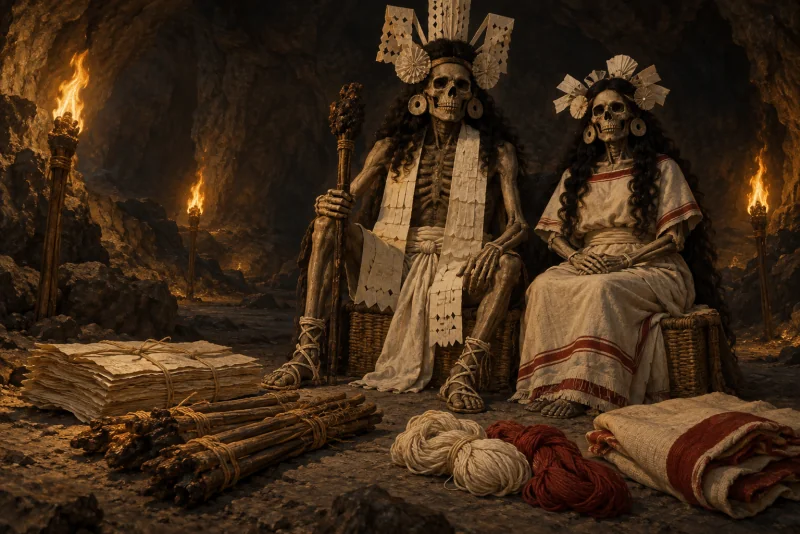
Most of the Mexica dead set out on a four-year road, past clashing mountains and a wind of obsidian blades, across a river on the back of a yellow dog, to the lord of Mictlan. Sahagún says the road ended in "the nine hells", but the famous list of nine levels comes from a single colonial codex.

Read story 11 min read

Oisín and Tír na nÓg: The Land of Youth

A woman on a white horse carries Oisín over the sea to the Land of Youth, and when he comes home three hundred years later and touches the ground, he is old and blind. The poem that tells the journey was written in County Clare around 1750, but the old man who tells it to St Patrick is centuries older.

Read story 11 min read

Hoàn Kiếm Lake: The Sword Returned to the Turtle

A fisherman nets a blade, a rebel finds its hilt in a banyan, and after the war a golden turtle takes the sword back into a Hanoi lake. The 15th-century chronicle tells only how the sword was found, and the oldest stories of the lake, from around 1800, end with a lost sword and a king draining the lake to find it.

Read story 11 min read

Vesta: The Hearth Goddess and Her Virgins

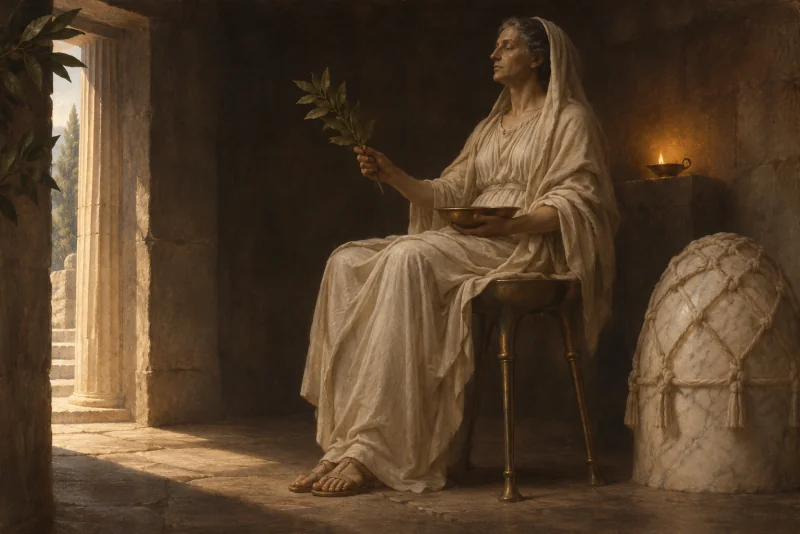
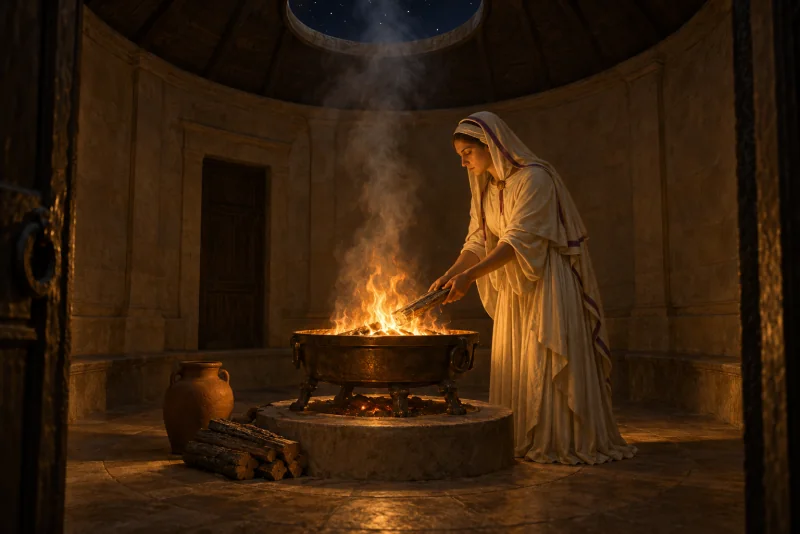
In a small round temple in the Forum, with no statue of the goddess in it, six priestesses kept the fire on which Rome's safety was thought to depend. They were chosen as little girls, bound for thirty years, and kept the flame until the end of the 4th century CE.

Read story 14 min read

Lamassu: The Winged Bulls at the Palace Gates

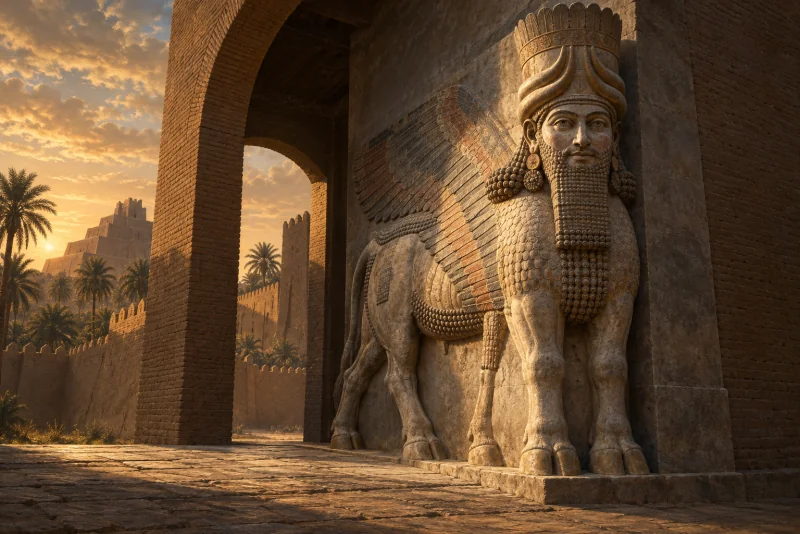
Before it was a stone giant at an Assyrian gate, a lamassu was a spirit that walked beside a person, and could walk away. The kings carved it with five legs, so that it stands from the front and strides from the side, and their inscriptions say what it was there to do.

Read story 10 min read